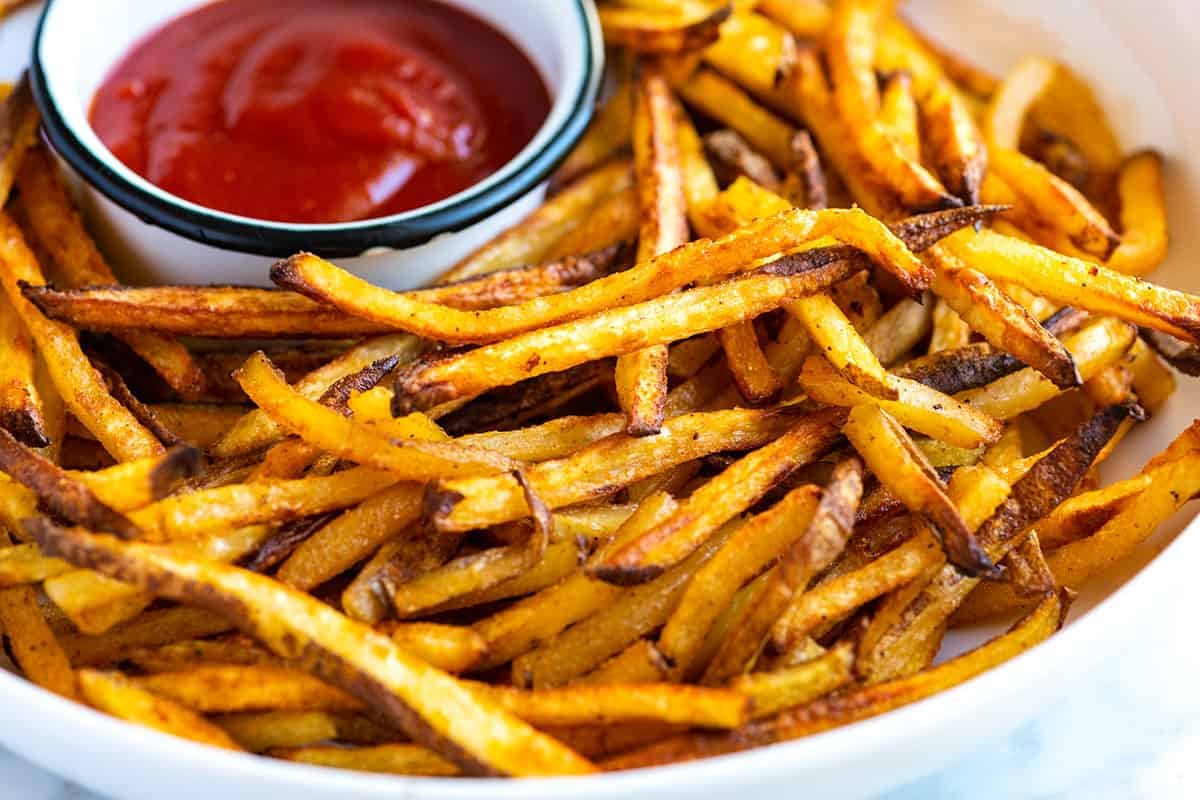
Who doesn’t love a plate of perfectly crispy French fries? That golden, crunchy exterior giving way to a fluffy, tender interior is pure comfort food magic. Whether you’re pairing them with a juicy burger or sneaking a few straight from the fryer, homemade fries are a game-changer. In this guide, I’ll walk you through every step to achieve restaurant-quality fries at home, using simple ingredients and techniques honed from years of kitchen experiments. Let’s dive into the art of making fries that’ll have everyone begging for seconds.
Why Homemade French Fries Are Worth the Effort
Store-bought frozen fries are convenient, but they often lack the soul of homemade. When you make fries from scratch, you control the flavor, texture, and quality. Plus, there’s something deeply satisfying about transforming humble potatoes into crispy perfection. This guide will show you how to nail that crunch every time, with tips I’ve learned from countless batches (and a few soggy disasters!).
The Joy of a Perfect Fry
Picture this: a Friday night with friends, laughter filling the kitchen, and a basket of hot, crispy fries fresh from the stove. That’s the vibe homemade fries bring. They’re not just food; they’re a memory-maker.
Choosing the Right Potatoes
The foundation of great fries is the potato. Not all spuds are created equal, and picking the right one is crucial for that coveted crispy texture. Russet potatoes are the gold standard due to their high starch content, which ensures a fluffy interior and crisp exterior.
Russet vs. Yukon Gold: A Quick Comparison
Russets win for classic fries, but Yukon Golds can work for a creamier, less crispy result. Here’s a breakdown:
| Potato Type | Texture | Best For |
|---|---|---|
| Russet | Fluffy, starchy | Crispy fries |
| Yukon Gold | Creamy, waxy | Softer fries |
Choose Russets for that fast-food-style crunch, but feel free to experiment if you prefer a different vibe.
Ingredients for Crispy French Fries
You don’t need a long list to make amazing fries. Keep it simple, and focus on quality. Here’s what you’ll need:
- 4 large Russet potatoes (about 2 lbs)
- High-heat oil (peanut, canola, or vegetable oil)
- Kosher salt
- Optional: garlic powder, paprika, or fresh herbs for seasoning
Why Oil Choice Matters
Peanut oil is my go-to for its high smoke point and neutral flavor, but canola works well too. Avoid olive oil—it burns too easily at frying temperatures.
Step-by-Step Recipe for Crispy French Fries
Ready to make fries that rival your favorite diner? Follow these steps, and you’ll be crunching in no time. I’ve included every trick I’ve learned to avoid common pitfalls like soggy fries or uneven cooking.
Step 1: Prep the Potatoes
Peel your Russets (or leave the skin on for rustic fries) and cut them into even 1/4-inch sticks. Uniformity is key for even cooking. I once made the mistake of cutting uneven fries, and half were crispy while the others were mush—lesson learned!
Step 2: Soak for Crispiness
Place the cut fries in a bowl of cold water and soak for at least 30 minutes (or up to overnight). This removes excess starch, which is the enemy of crispiness. Pro tip: Change the water if it gets cloudy.
Step 3: Dry Thoroughly
Drain the fries and pat them completely dry with a clean kitchen towel. Any moisture left on the potatoes will cause the oil to splatter and prevent crispiness. I’ve had a few oil-splatter scares—trust me, dry those fries!
Step 4: Double Fry for Perfection
The secret to crispy fries is double frying. Heat your oil to 325°F (165°C) and fry the potatoes in small batches for 4–5 minutes until pale and soft. Drain on paper towels. Then, crank the oil to 375°F (190°C) and fry again for 2–3 minutes until golden and crispy.
Step 5: Season Immediately
Toss the hot fries in a bowl with kosher salt and any seasonings you love. I sometimes add a pinch of smoked paprika for a subtle kick. Serve immediately for maximum crunch.
Tools You’ll Need
You don’t need fancy equipment, but a few tools make the process smoother. Here’s what I recommend:
- Deep fryer or heavy pot: A deep fryer is ideal, but a Dutch oven works great.
- Thermometer: To monitor oil temperature.
- Spider strainer: For safely removing fries from hot oil.
- Mandoline slicer (optional): For perfectly even cuts.
Where to Get Quality Tools
You can find affordable fryers and thermometers at stores like Amazon or Walmart. For example, the T-fal Deep Fryer is a solid choice for home cooks.
Common Mistakes to Avoid
Even seasoned cooks mess up fries sometimes. Here are pitfalls to watch out for, based on my own trial and error:
- Overcrowding the fryer: Too many fries lower the oil temperature, leading to greasy results.
- Skipping the soak: Starch-heavy potatoes turn soggy without soaking.
- Wrong oil temperature: Too low, and fries absorb oil; too high, and they burn.
Pro Tip for Success
Always fry in small batches. It’s tempting to dump all the potatoes in at once, but patience pays off with crispier fries.
Healthier Alternatives: Oven-Baked Fries
If frying feels too indulgent, oven-baked fries can still deliver great texture. Toss potato sticks in a tablespoon of oil, spread them evenly on a baking sheet, and bake at 425°F (220°C) for 25–30 minutes, flipping halfway. They won’t be quite as crispy, but they’re a solid guilt-free option.
Pros and Cons of Baked vs. Fried
| Method | Pros | Cons |
|---|---|---|
| Fried | Ultra-crispy, restaurant-style | Higher fat content, more cleanup |
| Baked | Healthier, easier cleanup | Less crispy, longer cooking time |
Seasoning Ideas to Elevate Your Fries
Plain salted fries are classic, but why not have fun? Here are some seasoning blends to try:
- Garlic Parmesan: Toss with garlic powder and grated Parmesan.
- Truffle Fries: Drizzle with truffle oil and sprinkle with fresh parsley.
- Spicy Cajun: Mix paprika, cayenne, and onion powder for a kick.
My Favorite: Rosemary Sea Salt
I once sprinkled fresh rosemary and coarse sea salt on a batch, and it was a game-changer. The herby, salty combo feels fancy without extra effort.
People Also Ask (PAA)
Here are answers to common Google PAA questions about homemade French fries:
How Do You Make French Fries Crispy?
Soak potatoes in cold water to remove starch, dry thoroughly, and double fry at 325°F then 375°F. This method ensures a crispy exterior and fluffy interior.
Why Are My Fries Soggy?
Soggy fries often result from excess moisture, overcrowding the fryer, or incorrect oil temperatures. Always dry potatoes well and fry in small batches.
Can You Make Fries Without a Deep Fryer?
Yes! Use a heavy pot with a thermometer to control oil temperature, or bake fries in the oven at 425°F for a healthier alternative.
What’s the Best Oil for Frying Fries?
Peanut or canola oil works best due to their high smoke points and neutral flavors. Avoid olive oil, as it burns at lower temperatures.
FAQ Section
How long should I soak potatoes for fries?
Soak for at least 30 minutes, but overnight is even better. This removes starch for crispier results.
Can I reuse frying oil?
Yes, strain and store used oil in a cool, dark place. It can be reused 2–3 times if it’s not burnt or cloudy.
What’s the best potato for French fries?
Russet potatoes are ideal for their high starch content, which creates a fluffy interior and crispy exterior.
How do I store leftover fries?
Store in an airtight container in the fridge for up to 2 days. Reheat in an oven at 400°F to restore crispiness.
Can I freeze homemade fries?
Yes, after the first fry, cool and freeze in a single layer. Fry again from frozen at 375°F when ready to eat.
Serving Suggestions
Fries are versatile! Pair them with a classic burger, a grilled cheese sandwich, or even a fancy steak. For dipping, try homemade aioli, spicy ketchup, or a tangy ranch. I once served fries with a garlic-herb dip at a party, and they disappeared in minutes!
Where to Find Dipping Sauce Recipes
Check out sites like Serious Eats for creative dip ideas to complement your fries.
Troubleshooting: Fixing Common Fry Fails
Ran into trouble? Here’s how to fix it:
- Greasy fries: Oil was too cool or fries were overcrowded. Keep oil at 325°F for the first fry and 375°F for the second.
- Burnt exterior, raw inside: Second fry was too hot. Use a thermometer to stay at 375°F.
- Soggy fries: Skipped soaking or didn’t dry properly. Always soak and pat dry.
Final Thoughts: Your Fry Journey Starts Here
Making homemade crispy French fries is an art, but it’s one anyone can master with the right techniques. From choosing Russet potatoes to perfecting the double-fry method, every step counts. I still remember my first batch of perfect fries—golden, crunchy, and gone in minutes. Whether you’re cooking for a crowd or just treating yourself, these fries will steal the show. So grab some potatoes, heat up that oil, and get ready to impress. What’s your favorite way to enjoy fries? Let me know in the comments!