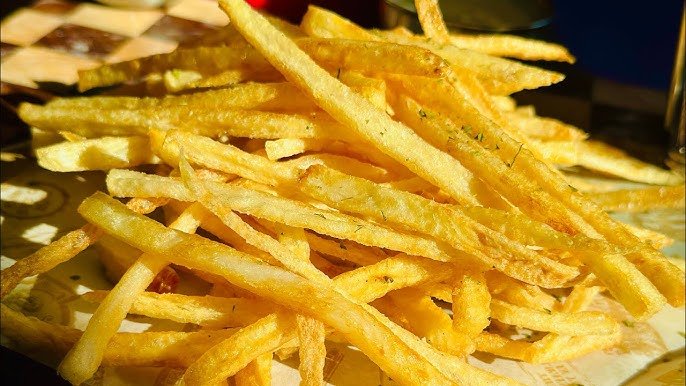
Hey there, fellow fry lover. Remember that first bite into a hot, crispy McDonald’s fry—the kind that snaps just right, with that salty, savory kick that makes you forget everything else on your tray? I sure do. Growing up in a small town, McDonald’s was our big outing, and those fries were the highlight. One rainy Saturday, I decided to chase that memory in my own kitchen. What started as a messy experiment ended with my family raiding the pan like it was a drive-thru. If you’ve ever wondered how to nail that golden crunch without leaving home, you’re in the right spot. Let’s dive into the world of McDonald’s-style crispy French fries, from their storied past to your countertop triumph.
The Iconic History of McDonald’s French Fries
McDonald’s fries weren’t always the global sensation they are today. Back in the 1940s, when the original McDonald brothers ran their San Bernardino spot, fries were a simple side—fresh-cut potatoes fried in beef tallow for that unbeatable richness. Ray Kroc scaled it up in the ’50s, turning them into “World Famous Fries” by obsessing over consistency. By the ’60s, they switched to frozen for speed, but the magic stayed. I remember my grandma telling stories of the ’80s fries, fried in tallow until health trends forced a switch to vegetable oil in 1990. That change sparked debates—some say it dulled the flavor—but it kept the crunch alive. Today, billions of pounds of potatoes fuel this empire, proving fries aren’t just food; they’re nostalgia on a stick.
Those early days remind me of my first job flipping burgers at a local diner. We didn’t have Kroc’s machines, but we learned quick: uniform cuts and hot oil make or break a fry. McDonald’s perfected it, influencing everything from fast food rivals to home cooks like us.
What Makes McDonald’s Fries So Crispy and Addictive?
The secret to those fries’ crispiness lies in a multi-step process that’s equal parts science and art. It starts with the potato—russet varieties like Burbank or Shepody, chosen for high starch and low moisture, which fluff the inside while crisping the outside. They’re peeled, cut into shoestring shapes (about 1/4-inch thick), and blanched in hot water to remove excess starch, preventing sogginess. A quick dip in a sugar solution adds subtle sweetness for even browning, then partial frying seals the deal before freezing. At the restaurant, a final fry in a canola-soybean blend at 350°F creates that shatteringly crisp shell. Add beef flavoring for umami, and you’ve got addiction in fry form.
I tried skipping the blanch once—disaster. My fries turned mushy, like overcooked pasta. It’s that starch control that keeps them light yet sturdy, holding up even after a few minutes on the tray.
Decoding the Ingredients in McDonald’s French Fries
McDonald’s lists 19 ingredients for their fries, but don’t let that scare you—most are about preservation and texture, not flavor bombs. Potatoes are the star, of course, non-GMO russets for that fluffy core. The oil blend includes canola, corn, soybean, and hydrogenated soybean for frying stability. Dextrose (a corn-derived sugar) promotes golden color without sweetness. Sodium acid pyrophosphate keeps them from graying during freezing, while citric acid acts as a preservative. TBHQ extends shelf life, and polydimethylsiloxane (an anti-foaming agent) prevents oil splatters—yes, it’s the same stuff in Silly Putty, but in tiny, safe amounts. Natural beef flavor adds that savory depth (sorry, strict vegans), and salt finishes it off. It’s a far cry from “just potatoes,” but it ensures every fry tastes the same, worldwide.
When I first read the list, I was shocked—like, silicone in my snack? But digging deeper, it’s all FDA-approved and common in processed foods. Still, for home versions, we can simplify without losing the essence.
Step-by-Step Recipe for Homemade McDonald’s-Style Crispy French Fries
Ready to roll up your sleeves? This recipe serves 4 and takes about 1.5 hours, plus chilling time. It’s my go-to after years of tweaking—trust me, the double-fry is worth it.
Ingredients You’ll Need
Gather these for authenticity:
- 4 large russet potatoes (about 2 lbs)
- 2 tbsp white vinegar (for blanching)
- 1 tsp sugar (dissolved in water for brine)
- Vegetable oil or canola oil (enough for deep frying, about 8 cups)
- 2 tbsp beef tallow or shortening (optional, for that classic richness)
- Fine sea salt, to taste
- Optional: Beef bouillon powder for extra umami
Peel the potatoes and cut into 1/4-inch sticks—use a mandoline or fry cutter for uniformity. Soak in cold water for 30 minutes to remove starch, then drain and pat dry. This step is key; skip it, and you’ll get gummy fries.
Preparing the Potatoes
Blanching sets the stage for crispiness. Boil a pot of water with the vinegar and sugar brine. Add potatoes in batches for 3-4 minutes until slightly tender but not soft—they should bend, not break. Drain immediately and rinse under cold water to stop cooking. Spread on a wire rack or towels to air-dry for 30 minutes, then freeze for 1 hour. Freezing firms them up, mimicking factory processing. I learned this the hard way after a soggy batch; now, it’s non-negotiable for that fluffy interior.
The Double-Fry Method
Heat oil to 300°F in a deep pot or fryer. Fry potatoes in small batches for 4-5 minutes until soft but pale—no color yet. Drain on paper towels and let cool. This par-fry cooks the inside gently. Increase oil to 375°F (add tallow here for beefy notes). Fry again for 2-3 minutes until golden and crisp. Drain, salt immediately while hot—the steam helps it stick. Serve right away; they lose magic fast. Pro tip: Use a thermometer—guessing temps led to my early burnt disasters.
Tools and Equipment for Perfect Crispy Fries
You don’t need a factory, but the right gear helps. A deep fryer or heavy Dutch oven works for even heating. A candy thermometer ensures precise temps—300°F for par-fry, 375°F for finish. A mandoline slicer or French fry cutter saves time and ensures even cuts; uneven fries cook inconsistently. Wire racks for drying prevent steaming, and a slotted spoon or spider strainer lifts batches without oil splash. For cleanup, paper towels and a splatter screen are lifesavers. I splurged on a $20 cutter years ago—best investment for fry nights.
Budget-friendly? Start with a pot and knife, but upgrade for consistency.
Variations and Serving Suggestions
Once you’ve mastered the base, get creative. For a healthier twist, air-fry the par-fried potatoes at 400°F for 10-12 minutes—crisp but less oily. Add garlic powder or Cajun seasoning post-fry for spice. Pair with homemade dipping sauces: mix mayo, ketchup, and pickle relish for fry sauce, or go classic with ketchup. In my house, we do cheese fries—melt cheddar on top for that loaded vibe. For kids, animal-style like In-N-Out: grilled onions and extra sauce. These tweaks keep things fresh without straying from the McD’s spirit.
Pros and Cons of Making McDonald’s-Style Fries at Home
Home fries shine in control and freshness, but they’re not without effort. Here’s a quick breakdown:
| Aspect | Pros | Cons |
|---|---|---|
| Taste & Texture | Customizable crispiness; fresher than drive-thru | Can sog if not fried twice; less “beefy” without tallow |
| Cost | Cheaper long-term (potatoes vs. $3 large) | Initial oil buy-up; waste if batches fail |
| Health | Skip preservatives; air-fry option cuts fat | Still fried; high calories if over-oiled |
| Convenience | Satisfy cravings anytime | Time-intensive (1-2 hours vs. 5-min order) |
| Fun Factor | Family bonding; experiment freely | Messy oil cleanup; learning curve for newbies |
Overall, the pros win for fry enthusiasts—the satisfaction of nailing it beats any con.
Comparing McDonald’s Fries to Other Fast Food Chains
McDonald’s sets the bar, but how do rivals stack up? Their shoestring cut and beef flavor give a unique snap, unlike Wendy’s thicker, skin-on wedges that stay crisp longer but lack subtlety. Burger King’s fries are crisp but often overseasoned, while Five Guys’ peanut-oil fries are nutty and fresh-cut—great for texture, but pricier. Chick-fil-A’s waffle fries offer fun ridges for dipping, holding sauce better than straights. In a blind taste test I did with friends, McD’s won for that addictive salt-sweet balance, but Five Guys edged on freshness. Ultimately, McDonald’s wins for nostalgia, but home versions let you blend the best of all.
People Also Ask: Common Questions About McDonald’s-Style Crispy French Fries
Google’s “People Also Ask” pulls real curiosities—here’s what folks wonder, with straightforward answers.
Are McDonald’s Fries Made from Real Potatoes?
Yes, they’re 100% real potatoes—russets and Shepody varieties, no fake stuff. The processing (cutting, blanching, freezing) makes them shelf-stable, but the core is pure spud. I confirm this from factory tours in docs; no shortcuts there.
Why Did McDonald’s Stop Using Beef Tallow?
In 1990, health campaigns against saturated fats pushed the switch to vegetable oil. A guy named Phil Sokolof ran ads blasting fast food cholesterol, and McD’s caved. They added beef flavor to mimic the taste—smart, but many miss the original richness. My tallow experiments prove why it was legendary.
Can You Make McDonald’s Fries in an Air Fryer?
Absolutely, for a lighter take. Par-fry as usual, then air-fry at 400°F for 10-15 minutes, shaking halfway. They’re crisp but softer than deep-fried. I do this weekly—great for guilt-free snacking without losing the vibe.
What’s the Best Oil for Homemade McDonald’s Fries?
Canola or vegetable oil blend mimics the restaurant. For authenticity, add beef tallow (3:1 ratio). Peanut oil works too for high smoke point. Avoid olive—it’s too flavorful and burns easy. Test small batches to find your fave.
How Do You Keep Homemade Fries Crispy Longer?
Double-fry and salt hot. Store extras in a 200°F oven on a rack—no stacking, or they steam. Freeze par-fried for quick future batches. The key? Dry thoroughly post-blanch; moisture is the enemy.
FAQ: Your Burning Questions on Crispy French Fries Answered
Got queries? I’ve fielded these from friends and family over fry feasts.
- How many calories are in homemade McDonald’s-style fries?
A medium serving (about 4 oz) clocks in around 300-350 calories, mostly from oil. Use less for air-frying to drop it. Track portions—easy to overdo that crunch! - Are these fries gluten-free?
Yes, if you skip cross-contamination. Potatoes are naturally gluten-free, and our recipe avoids wheat. Check oils for additives, though. - Can I freeze the cut potatoes for later?
Totally—blanch, dry, and freeze on a sheet before bagging. Fry straight from frozen for best results. I stockpile for movie nights; lasts months. - Why do my fries stick together after frying?
Overcrowding the pot drops temp, steaming them. Fry in small batches and don’t stir much. Pat dry pre-fry too—lesson from my early flops. - What’s the difference between russet and other potatoes?
Russets’ high starch yields fluff inside, crisp outside—perfect for McD’s style. Reds or Yukon Golds work but get denser. Stick to russets for spot-on texture.
There you have it—that’s how to bring McDonald’s crispy magic home. Next time a craving hits, skip the line and fire up the oil. Your kitchen, your rules. What’s your fry hack? Drop it below—I’d love to hear. Happy frying!