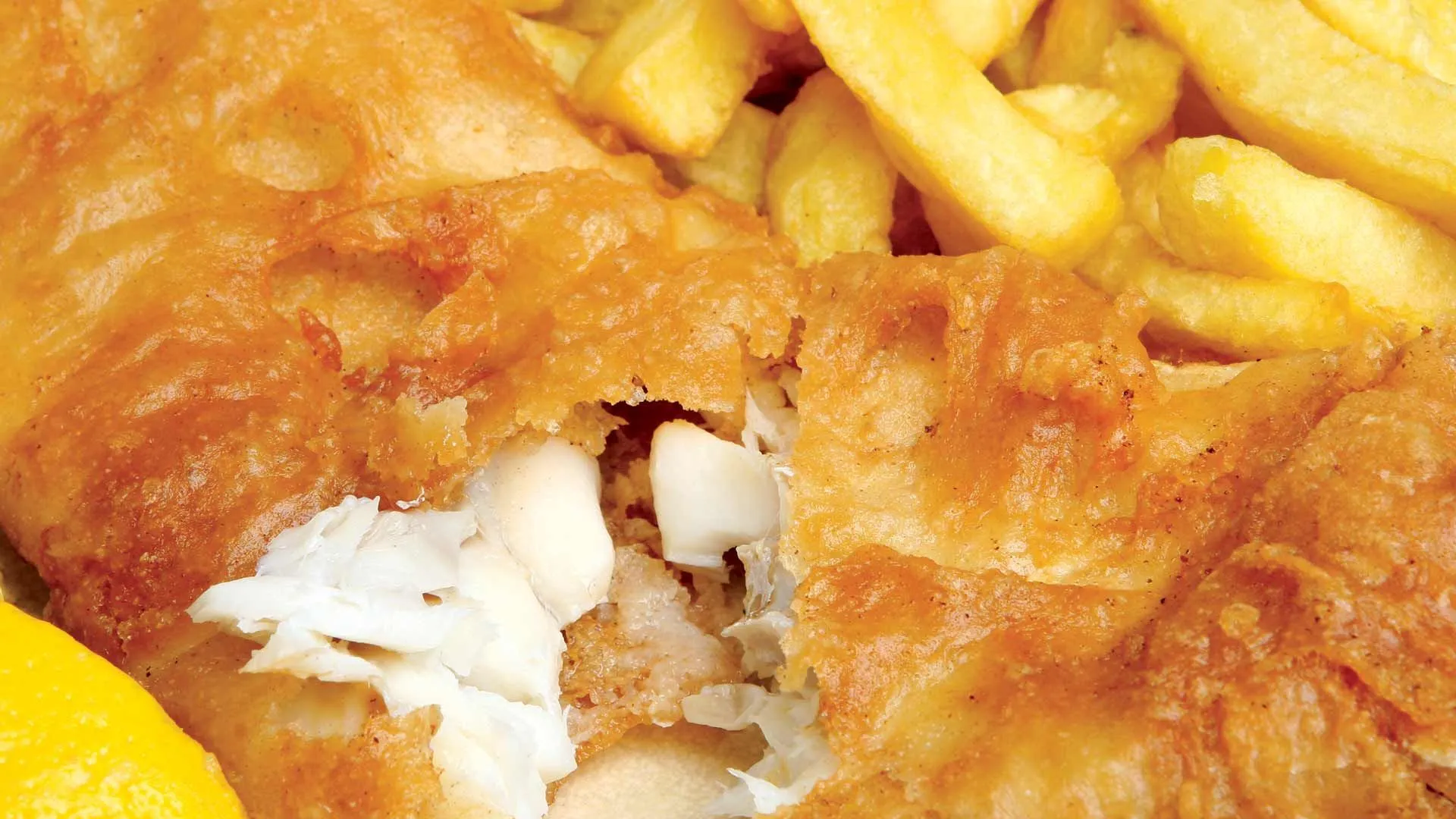
You know that feeling when you bite into a piece of fish and chips that’s just right—crispy batter shattering like glass, flaky fish steaming inside, and chips so fluffy they melt on your tongue? I remember the first time I tried making it at home, back in my tiny London flat years ago. I’d just moved there for work, and fish and chips was my go-to comfort food after long days. But my attempts were soggy disasters. Then I discovered Heston Blumenthal’s version. It changed everything. This isn’t your average takeaway; it’s a science-backed masterpiece that elevates the British classic. If you’re ready to roll up your sleeves and create something restaurant-worthy, let’s dive in.
Who Is Heston Blumenthal?
Heston Blumenthal is the mad genius behind The Fat Duck, a three-Michelin-starred spot in Bray that’s basically a culinary theme park. Born in 1966, he started as a self-taught cook obsessed with flavors and textures, turning everyday dishes into mind-blowing experiences. His TV series In Search of Perfection broke down icons like fish and chips, blending chemistry and nostalgia.
What sets Heston apart is his relentless questioning—why does batter go soggy? How can chips stay crisp? He treats cooking like an experiment, drawing from science to perfect the imperfect. For fish and chips, he spent years tweaking, resulting in a recipe that’s influenced pubs worldwide. I’ve followed his methods for family dinners, and they never fail to wow.
The Science Behind Heston’s Fish and Chips
At its core, Heston’s approach fights the enemies of great fried food: moisture and gluten. Vodka in the batter evaporates faster than water, crisping it up without toughening the fish. The triple-cooked chips remove starch and water through boiling, low-temp frying, and high-heat blasting, creating that glassy crust.
Think of it like this: boiling roughs up the potato surfaces for better oil adhesion, while freezing dries them out. It’s not magic; it’s physics. I once skipped the freezing step in a rush—big mistake. The chips turned mushy, reminding me why patience pays off in the kitchen.
Ingredients for Heston’s Fish and Chips
Gather these for four servings. Heston insists on fresh, quality stuff—it’s worth the trip to a good fishmonger. For the fish, aim for sustainable options; I’ve swapped turbot for cod when needed, and it works fine.
- For the Triple-Cooked Chips:
- 1kg floury potatoes (Maris Piper or Russet Burbank—starchy ones flake beautifully)
- Vegetable or groundnut oil for frying (about 2-3 liters)
- Sea salt and table salt mix for seasoning
- For the Beer and Vodka Batter:
- 200g plain flour
- 100g rice flour (for extra crunch)
- 250ml cold beer (lager for lightness)
- 50ml vodka (the secret weapon)
- 1 tsp baking powder
- Salt and pepper
- For the Fish:
- 4 x 150-200g fillets of white fish (turbot ideal, but cod or haddock shine)
- Rice flour for dusting
- Accompaniments:
- Homemade tartare sauce: 200g mayo, 2 tbsp capers, 2 tbsp gherkins, 1 shallot, lemon juice, parsley
- Lemon wedges
- Pickled onion juice or white wine vinegar for spraying (optional atomizer fun)
These keep it simple yet elevated. Total cost? Around £15-20 for four, cheaper than a pub meal.
Preparing the Triple-Cooked Chips: Step-by-Step
Heston’s chips are the star—fluffy inside, shatteringly crisp outside. Start a day ahead; the process takes time but rewards with perfection. I love how the irregular cuts add texture variety, like a mix of soft and crunchy bites.
Peel and cut potatoes into 1.5cm-thick chips, uneven sizes encouraged. Rinse under cold water to remove starch, then simmer in salted water (10g salt per liter) for 20-30 minutes until nearly falling apart. Drain on a rack and freeze overnight—this dries them out.
Next day, heat oil to 130°C and fry for 5 minutes until a light crust forms but no color. Drain, cool, and freeze again for at least an hour. Finally, fry at 180-190°C for 7 minutes until golden. Season immediately. Pro tip: Use a deep-fry thermometer; I learned the hard way when my first batch burned.
Crafting the Perfect Beer and Vodka Batter
The batter’s lightness comes from aeration and alcohol. Without a soda siphon like Heston’s, whisk vigorously or use baking powder for bubbles. Chill it 30 minutes to relax the gluten—key for that non-chewy crust.
Mix dry ingredients: flours, baking powder, salt. Slowly whisk in cold beer and vodka until smooth, like thin pancake batter. Don’t overmix; lumps are okay. Rest in the fridge. When frying, the vodka boils off quick, leaving airy crispness. My trick: Open the beer last to keep it fizzy.
Frying the Fish: Technique Matters
Pat fish dry, season, and dust with rice flour—it helps batter adhere without sogginess. Heat oil to 180-220°C (Heston goes high for speed). Dip fish in batter, let excess drip, and fry 3-4 minutes until golden. Probe the thickest part to 40°C; residual heat finishes it to 45°C.
Fry in batches to maintain temperature—crowding drops it, steaming instead of frying. Drain on paper, season. The batter should puff away from the fish, steaming it gently. I once overcooked mine; now I trust the thermometer religiously.
Assembling and Serving Heston’s Masterpiece
Plate fish atop scrunched paper for that chippy vibe, pile chips beside. Squeeze lemon, dollop tartare sauce. For nostalgia, spritz vinegar from an atomizer—Heston’s quirky touch that evokes seaside smells.
Serve hot with mushy peas if you like (blend canned peas with mint). Pairs with a crisp white wine or just a beer. My family’s become addicted; it’s our Friday ritual now.
Why Choose Heston’s Recipe Over Traditional Methods?
Traditional fish and chips often means double-frying chips and basic beer batter—solid, but prone to sogginess. Heston’s triple method and vodka twist take it gourmet without fuss.
It’s sustainable too: Focuses on flaky white fish over oily varieties. Time-wise, traditional is quicker (1 hour vs. 2+), but Heston’s worth the wait for superior texture.
Comparison: Heston’s vs. Classic Chip Shop Fish and Chips
| Aspect | Heston’s Version | Classic Chip Shop |
|---|---|---|
| Chips Texture | Glassy crust, fluffy center (triple-cooked) | Soft and chewy (single or double fry) |
| Batter | Ultra-crispy, airy (vodka + beer) | Hearty but can be greasy (beer only) |
| Fish Doneness | Precise (thermometer to 45°C internal) | Often overcooked or under |
| Prep Time | 2-3 hours (plus overnight freeze) | 30-45 minutes |
| Flavor Profile | Clean, elevated with tartare | Bold, vinegary takeaway vibe |
Heston’s shines for home cooks wanting impress; chip shop for quick nostalgia.
Pros and Cons of Making Heston’s Fish and Chips at Home
Pros:
- Unmatched crunch and fluff—feels like fine dining.
- Customizable: Swap fish for local catches.
- Educational: Teaches science of frying.
- Impresses guests; great for date nights.
Cons:
- Time-intensive; not for weeknights.
- Needs equipment like a deep fryer or thermometer.
- Oil splatter risk—safety first.
- Freezing steps require planning.
Overall, the pros win for flavor fanatics like me.
Variations and Tips for Success
Can’t find turbot? Cod or pollock works—sustainable and affordable. For gluten-free, sub rice flour fully. Add turmeric to batter for golden hue.
Tips: Dry everything well; moisture kills crisp. Use fresh oil—reuse strains it. If no fryer, a deep pot suffices, but monitor heat. I’ve added herbs to batter for a twist; keeps it exciting.
Where to Get the Best Ingredients
Head to a fishmonger for fresh fillets—ask for skin-on, boneless. In the UK, places like Moxon’s Fresh Fish deliver. For potatoes, farmers’ markets have Maris Pipers. Online, Ocado stocks rice flour and vodka. Stateside, Whole Foods has equivalents. Pro tip: Buy oil in bulk for cost savings.
Tools You’ll Need for This Recipe
Don’t skimp here; right gear ensures success. A deep-fat fryer (like a Philips model) controls temp perfectly. Thermometer for fish—Thermapen is gold standard.
- Wire rack for draining
- Slotted spoon
- Large pot for boiling
- Atomizer (optional, from kitchen stores)
Budget option: Heavy Dutch oven and candy thermometer. Total investment: £50-100, but reusable.
People Also Ask About Heston Blumenthal’s Fish and Chips
Based on common searches, here’s what folks wonder most. These questions pop up when hunting for recipes or troubleshooting.
Why does Heston Blumenthal use vodka in his fish batter?
Vodka’s high alcohol content evaporates quicker than water during frying, drying the batter fast for extra crispness without developing tough gluten. It keeps the coating light and shatterable. I tried it without once—big difference in texture.
What type of potatoes are best for Heston’s triple-cooked chips?
Floury, high-starch varieties like Maris Piper or King Edward work best. They break down during boiling, creating cracks for crisp frying while staying fluffy inside. Avoid waxy ones; they hold shape but won’t fluff.
How do you aerate the batter without a soda siphon?
Whisk vigorously by hand or with an electric mixer to incorporate air, or add extra baking powder. Heston uses a siphon for CO2 bubbles, but whipping works fine for home cooks. It mimics the lightness without fancy tools.
Can you make Heston’s fish and chips in an air fryer?
Not ideally—the triple-cook needs oil for that crust. Air fry for a healthier twist, but expect less crunch. Boil and low-bake first, then air fry at 200°C. Results are good, but not authentic.
Why are Heston’s chips frozen between cooks?
Freezing removes excess moisture after boiling and first fry, preventing sogginess. It firms the structure for the final high-heat blast. Skip it, and chips steam more than crisp—lesson learned from my early fails.
FAQ: Common Questions on Heston’s Fish and Chips Recipe
How long does the full recipe take?
About 2-3 hours active time, plus overnight freezing for chips. Plan ahead; it’s not quick but straightforward once prepped.
Is this recipe suitable for beginners?
Yes, with patience. Follow temps closely—it’s forgiving if you use a thermometer. Start with chips only to build confidence.
What if I don’t have rice flour for the batter?
Sub with cornstarch or more plain flour, but rice adds superior crunch due to low gluten. It’s cheap online; worth stocking.
Can I reuse the frying oil?
Strain and store it; reuse 2-3 times for similar foods. Discard if dark or smelly—fresh oil ensures clean taste.
How do I know the fish is cooked without a probe?
Flake easily but holds shape; batter golden. But probe’s best for safety—aim for 45°C internal to avoid dryness.
There you have it—your roadmap to Heston’s iconic fish and chips. Next time you’re craving that seaside hit, skip the shop and make it yourself. It’s not just food; it’s a little adventure in your kitchen. Trust me, the first perfect bite will hook you for life.