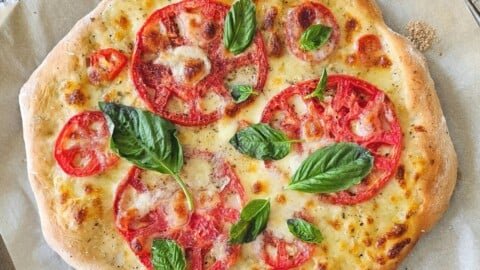
Picture this: It’s a warm summer evening in Naples, and I’m sitting at a tiny outdoor table, the air buzzing with chatter and the scent of fresh dough baking in a wood-fired oven. My first bite of authentic Margherita pizza transports me—crisp crust giving way to tangy tomatoes, creamy mozzarella, and that punch of basil. It’s simple, yet profound, a dish that captures Italy’s soul in every slice. Over the years, I’ve chased that flavor back home, experimenting in my kitchen until I nailed it. If you’re here, you’re probably craving that same magic, whether you’re a pizza novice or a seasoned home cook. Let’s dive into everything you need to know about Margherita pizza with tomato, mozzarella, and basil, from its roots to recreating it yourself.
What is Margherita Pizza?
Margherita pizza stands out as the epitome of Italian simplicity, featuring a thin crust topped with fresh tomato sauce, slices of mozzarella cheese, and vibrant basil leaves. Drizzled with olive oil and baked until bubbly, it represents the colors of the Italian flag: red, white, and green. This pizza isn’t about overloading with toppings; it’s a celebration of quality ingredients shining on their own.
The Core Ingredients: Tomato, Mozzarella, and Basil
At its heart, Margherita relies on ripe San Marzano tomatoes for the sauce, providing a sweet-acidic balance that’s hard to beat. Fresh mozzarella, preferably buffalo variety, melts into gooey perfection, while basil adds an aromatic freshness that ties everything together. Skip the dried herbs here—fresh is key for that authentic pop.
Why Margherita Stands Apart from Other Pizzas
Unlike loaded American-style pies, Margherita keeps it minimal, letting flavors harmonize without overwhelming the palate. It’s lighter, often eaten with a knife and fork in Italy, and focuses on seasonal produce. This purity makes it a benchmark for pizzerias worldwide.
The History of Margherita Pizza
Legend has it that in 1889, Queen Margherita of Savoy visited Naples, and local pizzaiolo Raffaele Esposito created a pizza in her honor using colors of the Italian flag. Tomatoes for red, mozzarella for white, basil for green—it was an instant hit, naming the pizza after her. While some debate the tale’s accuracy, it underscores Naples’ role as pizza’s birthplace, evolving from flatbreads of ancient times.
Origins in Naples: A Royal Inspiration
Back in the 19th century, pizza was street food for the working class, but the queen’s endorsement elevated it. I remember visiting Pizzeria Brandi in Naples, where Esposito worked—the plaque outside claims it’s the spot. Tasting it there felt like stepping into history, with that smoky wood-fired essence.
Evolution Over Time: From Street Food to Global Icon
What started as a humble Neapolitan treat spread worldwide post-World War II, thanks to Italian immigrants. Today, it’s UNESCO-protected as intangible cultural heritage, ensuring traditions like hand-stretching dough persist. Funny how a simple pie became a symbol of Italian pride.
How to Make Margherita Pizza at Home
Recreating Margherita at home is easier than you think, especially with a hot oven and fresh ingredients. Start with homemade dough for that chewy texture, then layer on sauce, cheese, and basil post-bake to keep it vibrant. I’ve burned a few crusts in my early attempts, but practice turns it into a weekend ritual.
Step-by-Step Recipe for Beginners
Begin by mixing dough: flour, water, yeast, salt—let it rise for an hour. Roll thin, spread tomato sauce, add mozzarella slices, and bake at 500°F for 10 minutes. Top with torn basil and a swirl of olive oil. Pro tip: Use a pizza stone for crispiness.
Essential Ingredients List
Here’s what you’ll need for one 12-inch pizza:
- 1 ball pizza dough (store-bought or homemade)
- ½ cup San Marzano tomato sauce
- 4-5 ounces fresh mozzarella, sliced
- Fresh basil leaves (about 10)
- 1 tablespoon olive oil
- Salt to taste
This keeps it authentic and budget-friendly.
Baking Tips for Perfect Crust
Preheat your oven as high as it goes—ideally with a stone or steel inside. Stretch dough by hand to avoid toughness, and don’t overload toppings. If your crust bubbles too much, poke it gently; it’s all part of the fun.
Variations on the Classic Margherita
While purists stick to the original, tweaking Margherita can add excitement without straying too far. Think adding garlic or swapping cheeses for a twist—I’ve tried a few that became family favorites.
Modern Twists: Adding Veggies or Proteins
For a veggie boost, scatter cherry tomatoes or arugula post-bake. Or go gourmet with prosciutto for a salty kick. These keep the spirit alive while suiting dietary needs.
Gluten-Free and Vegan Options
Swap regular dough for gluten-free, and use plant-based mozzarella for vegans. It won’t mimic exactly, but with good tomatoes, it’s still delicious. I once made a vegan version for a friend—it surprised us all.
Pros and Cons of Variations
Pros:
- Customizable for allergies or preferences
- Adds nutritional variety, like extra veggies
- Keeps meals exciting
Cons:
- Strays from authenticity
- Risk of overpowering simple flavors
- May require more prep time
Comparing Margherita to Other Popular Pizzas
Margherita shines in its minimalism compared to heavier options. Let’s break it down.
| Pizza Type | Key Ingredients | Calorie Range (per slice) | Best For |
|---|---|---|---|
| Margherita | Tomato, mozzarella, basil | 170-260 | Light, fresh meals |
| Pepperoni | Tomato sauce, cheese, pepperoni | 250-350 | Meat lovers |
| Veggie Supreme | Assorted veggies, cheese | 200-300 | Health-conscious |
| Hawaiian | Ham, pineapple, cheese | 220-320 | Sweet-savory fans |
Margherita wins for simplicity and lower calories.
Nutritional Benefits of Margherita Pizza
A slice packs about 170 calories, with protein from cheese and vitamins from tomatoes. Basil adds antioxidants, making it healthier than loaded pies. Enjoy in moderation for a balanced treat.
Calorie Breakdown and Health Tips
One slice offers 7g protein, 21g carbs, and 7g fat—decent for a meal component. Pair with salad to boost fiber. It’s not diet food, but fresher ingredients cut sodium.
Is It Suitable for Special Diets?
Vegetarian-friendly by default, and adaptable for low-carb with cauliflower crust. Watch lactose if using real mozzarella—I’ve switched to alternatives for gut-friendly versions.
Where to Get Authentic Margherita Pizza
Craving the real deal? Head to Naples spots like Pizzeria Brandi or Da Michele. In the US, try New York’s Una Pizza Napoletana for certified authenticity. Frozen options from brands like Newman’s Own work in a pinch.
Top Restaurants Worldwide
In Italy, Naples reigns supreme; stateside, places like Frank Pepe in Connecticut deliver coal-fired bliss. For home delivery, check local pizzerias via apps like Uber Eats.
Where to Buy Ingredients
Source San Marzano tomatoes at Italian markets or online via Amazon. Fresh mozzarella from cheese shops like Murray’s; basil from farmers’ markets for peak freshness.
Best Tools for Making Pizza at Home
Elevate your game with a pizza stone for even heat—Ooni or Baking Steel are top picks. A peel helps slide pies in and out effortlessly. Invest in these for pro results without a fancy oven.
Must-Have Gadgets
- Pizza peel: Wooden for launching, metal for retrieving
- Infrared thermometer: Ensures oven hits 500°F+
- Dough scraper: For easy handling
- Pizza cutter: Sharp wheel for clean slices
These make the process smoother and more enjoyable.
Budget vs. Premium Options
Budget: Basic stone ($20) and peel ($15). Premium: Ooni oven ($300+) for outdoor authenticity. Start simple—I’ve built up my kit over time.
People Also Ask
Based on common searches, here are real questions folks ask about Margherita pizza.
What is special about Margherita pizza?
It’s the simplicity—fresh ingredients evoking Italy’s flag colors, created for a queen. No frills, just pure flavor harmony.
Why do they call it Margherita pizza?
Named after Queen Margherita in 1889, honoring her with patriotic toppings. A royal nod that’s stuck for over a century.
Is Margherita pizza just cheese and tomato?
Essentially yes, plus basil and oil, but it’s the quality that elevates it beyond basic.
What’s the difference between Margherita and regular pizza?
Margherita uses fresh mozzarella and basil, no shredded cheese or extras—more refined.
FAQ
How do you pronounce Margherita pizza?
It’s “mar-geh-REE-tah,” like the queen’s name—roll that ‘r’ for authenticity. I’ve mangled it before, but locals in Italy were kind about it.
Can I use regular tomatoes instead of San Marzano?
Sure, but San Marzanos are sweeter and less watery. If substituting, drain well to avoid soggy crust—learned that the hard way.
Is Margherita pizza healthy?
In moderation, yes—lower calories than meaty pies, with lycopene from tomatoes. Opt for whole wheat dough for extra fiber.
What’s the best cheese for Margherita pizza?
Fresh buffalo mozzarella for creaminess, but fior di latte works too. Avoid pre-shredded; it doesn’t melt as nicely.
How long does homemade Margherita pizza last?
Up to 3 days in the fridge—reheat in oven for crispiness. Freezing works, but fresh is always best.
Wrapping up, Margherita pizza with tomato, mozzarella, and basil isn’t just food; it’s a story on a plate, connecting us to Italian heritage. Whether baking at home or seeking it out, that first bite always feels like homecoming. For more pizza ideas, check our internal link to best pizza recipes. Or explore history deeper at Wikipedia’s page on Pizza Margherita. What’s your go-to twist? Share in the comments—I’d love to hear.