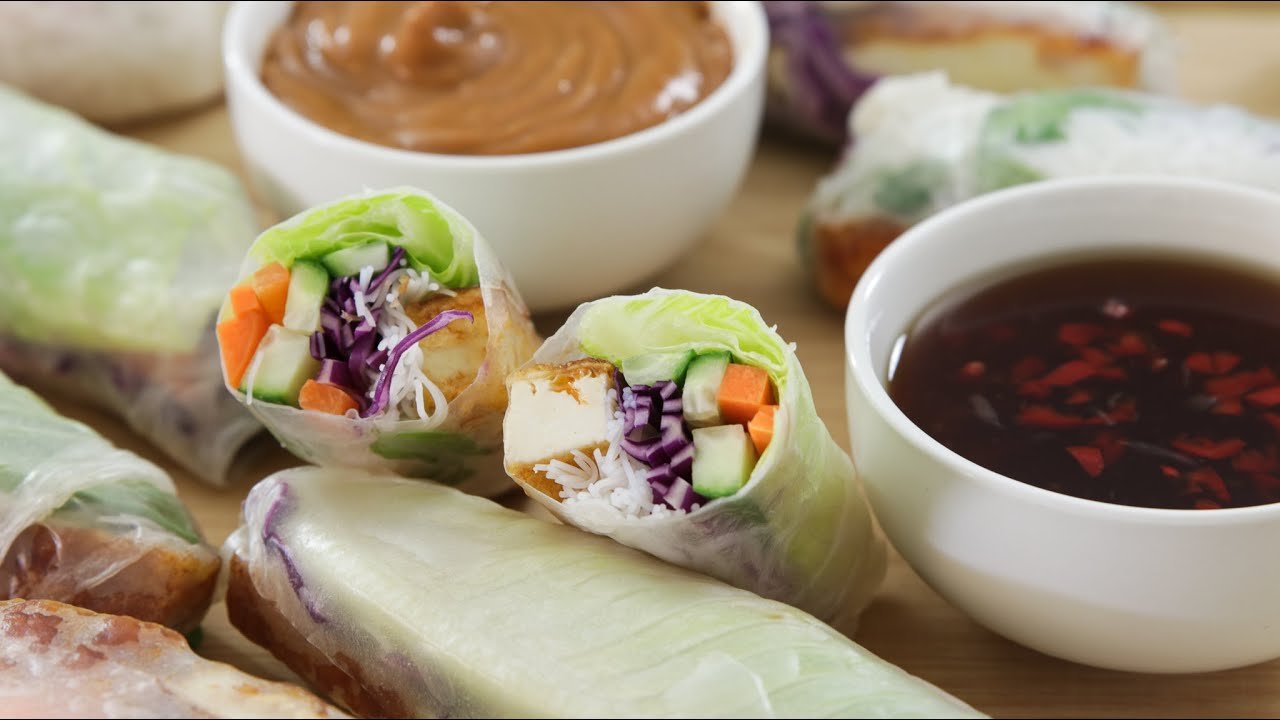
Remember that warm afternoon when I first tried wrapping my own fresh spring rolls? I was in my kitchen, rice paper slipping everywhere like wet noodles on a slide, and my peanut sauce ended up more like peanut butter soup. But oh, the triumph when I nailed that first perfect roll—crisp veggies peeking through translucent paper, dipped in creamy sauce. It’s moments like these that make fresh spring rolls more than just food; they’re a fun, hands-on adventure. In this guide, we’ll dive deep into everything from origins to recipes, helping you create your own masterpieces at home.
What Are Fresh Spring Rolls?
Fresh spring rolls, often called Vietnamese spring rolls or gỏi cuốn, are light, unfried wraps bursting with flavor. Unlike their crispy cousins, these use soft rice paper to encase fresh herbs, veggies, proteins like shrimp or tofu, and sometimes noodles. They’re typically served cold with a dipping sauce, making them ideal for hot days or quick meals.
The History and Origins of Fresh Spring Rolls
These rolls trace back to ancient China, evolving from spring festival customs during the Jin Dynasty around 266-420 AD, where thin pancakes held seasonal veggies to celebrate new beginnings. Over time, they migrated to Vietnam, adapting to the warm climate with fresh, cooling ingredients like rice paper from abundant fields. Today, they’re a global favorite, blending Southeast Asian traditions with modern twists.
Essential Ingredients for Fresh Spring Rolls
Gathering the right ingredients is key to authentic taste—think vibrant, fresh produce that pops with color and crunch. Start simple, and you’ll see how these rolls transform basic items into something special. Quality matters; fresh herbs can make or break the freshness factor.
For the Rolls
Rice paper wrappers form the delicate base, soaking up just enough water to become pliable without tearing. Fill with shredded carrots, cucumber slices, lettuce leaves, fresh mint, cilantro, and basil for that herbal kick. Add protein like cooked shrimp, grilled chicken, or tofu for heartiness, plus vermicelli noodles for subtle chew.
For the Peanut Sauce
Peanut butter provides the creamy foundation, mixed with hoisin sauce for sweetness and depth. Add soy sauce or tamari for umami, lime juice for tang, and a hint of garlic or chili for spice. Water thins it to dippable perfection, creating a sauce that’s nutty and addictive.
Here’s a quick ingredients table for clarity:
| Component | Key Items | Notes |
|---|---|---|
| Wrappers | Rice paper sheets | Gluten-free, about 8-10 inches round |
| Veggies | Carrots, cucumber, lettuce | Julienned for easy rolling |
| Herbs | Mint, cilantro, basil | Fresh only—no wilted leaves |
| Protein | Shrimp, tofu, or chicken | Cooked and sliced thin |
| Noodles | Rice vermicelli | Soaked, not boiled hard |
| Sauce Base | Peanut butter, hoisin | Natural peanut butter for best texture |
Step-by-Step Guide to Making Fresh Spring Rolls
Making these at home feels like a mini art project—messy at first, but rewarding. I remember my early attempts looking like lumpy burritos, but practice turned them into neat packages. Follow these steps, and you’ll avoid my rookie mistakes.
Prep your fillings: Julienne veggies, cook proteins, and soak noodles in hot water for 5 minutes, then drain. Set up a station with a shallow bowl of warm water for dipping rice paper. Dip one sheet for 10-15 seconds until soft, then lay flat on a damp towel.
Layer ingredients starting with herbs at the bottom for visual appeal, followed by noodles, veggies, and protein in the center. Fold the bottom over the filling, tuck in sides, and roll tightly like a burrito—don’t overstuff or it’ll burst. Repeat and serve fresh.
Pro tip: If the paper tears, double up sheets for sturdier rolls. It saved me during a dinner party fiasco once.
Perfecting the Peanut Sauce
The sauce is the star—creamy, tangy, and slightly spicy, it elevates every bite. I’ve tweaked mine over years, starting from a too-sweet version to this balanced gem. Whisk it up in minutes for that restaurant-quality dip.
In a bowl, combine 1/2 cup smooth peanut butter, 2 tablespoons hoisin sauce, 1 tablespoon soy sauce, juice of one lime, 1 minced garlic clove, and 1 teaspoon sriracha. Gradually add 1/4 cup warm water, stirring until smooth. Taste and adjust—more lime for zing or honey for sweetness.
For variations, try adding coconut milk for creaminess or ginger for warmth. Store in the fridge up to a week, but let it warm up before serving.
Variations and Creative Twists
Once you master the basics, get playful—swap in mango for sweetness or avocado for creaminess. My favorite twist came from a beach trip inspiration: tropical fruit rolls that felt like summer in a bite. Experiment without fear; it’s hard to go wrong.
- Vegetarian: Load with tofu, bell peppers, and bean sprouts for crunch.
- Seafood: Use crab or salmon instead of shrimp for a luxurious feel.
- Fruit-Infused: Add sliced strawberries or pineapple for a sweet-savory surprise.
- Spicy: Incorporate jalapeños or extra chili in the sauce for heat lovers.
Compare classic vs. modern:
| Classic Vietnamese | Modern Fusion |
|---|---|
| Shrimp, pork, herbs | Tofu, quinoa, kale |
| Peanut or nuoc cham sauce | Almond butter dip |
| Simple veggies | Exotic fruits like kiwi |
Pros of variations: Endless customization keeps it exciting. Cons: Overcomplicating can muddle flavors—stick to 4-5 fillings max.
Health Benefits of Fresh Spring Rolls
These rolls pack a nutritional punch, low in calories yet high in vitamins from fresh produce. They’re gluten-free, fiber-rich, and support heart health with ingredients like nuts and veggies. I love how they make healthy eating feel indulgent, not restrictive.
Pros:
- Low fat and calories—around 100-150 per roll.
- Boost immunity with vitamin C from herbs and veggies.
- Aid digestion thanks to fiber from carrots and lettuce.
Cons:
- Peanut sauce adds calories if over-dipped.
- Rice paper is carb-heavy for low-carb diets.
- Potential allergens like nuts or shellfish.
Overall, they’re a smart choice for balanced meals.
Where to Get the Best Ingredients
Sourcing fresh components ensures top-notch rolls—head to Asian markets for authentic rice paper and herbs. Online, sites like Amazon offer bundles of wrappers from brands like Blue Dragon. Locally, check Walmart or ethnic grocery stores for affordable options.
For rice paper, try specialty spots like H Mart or order from Instacart for quick delivery. Fresh herbs? Farmers’ markets beat supermarkets for vibrancy. Link to a guide on selecting rice paper for tips.
Best Tools for Making Spring Rolls at Home
Equip yourself right to avoid frustration— a good water bowl prevents sticky messes. I’ve burned through cheap trays before finding durable ones that make rolling a breeze. Invest in quality for long-term ease.
Essential tools include a rice paper water bowl for even soaking, a bamboo rolling mat for grip, and sharp knives for precise cuts. For pros, consider a spring roll maker set from Amazon.
Comparison of top tools:
| Tool | Best For | Price Range | Where to Buy |
|---|---|---|---|
| Water Bowl | Soaking paper | $5-10 | Amazon |
| Rolling Tray | Assembly | $10-15 | Walmart |
| Mandoline Slicer | Veggie prep | $20-30 | Kitchen stores |
These make the process smoother, turning novices into experts.
People Also Ask
Drawing from common searches, here are real questions folks ask on Google about fresh spring rolls with peanut sauce.
What is the difference between spring rolls and summer rolls?
Spring rolls can be fried or fresh, but summer rolls are always fresh and light, often synonymous with Vietnamese gỏi cuốn. Fried versions crunch, while fresh ones refresh with raw fillings. Both pair well with peanut sauce for dipping.
How do you keep fresh spring rolls from sticking?
Dip rice paper briefly in warm water and work on a damp surface like a wet towel. Don’t over-soak, or they’ll tear—10-15 seconds does it. Store wrapped in damp cloth to maintain moisture without sticking.
Can you make fresh spring rolls ahead of time?
Yes, prepare up to 24 hours in advance, but cover with a damp towel and plastic wrap to prevent drying. I’ve prepped for parties this way, and they stay fresh— just don’t fill too early or veggies wilt.
What goes well with fresh spring rolls?
Pair with light sides like mango salad or edamame for a meal. For drinks, try iced green tea or a crisp white wine. The peanut sauce ties it all together nicely.
FAQ
How many calories are in fresh spring rolls with peanut sauce?
Typically, one roll has 100-200 calories, depending on fillings—shrimp adds protein without much fat. Factor in sauce at about 50 calories per tablespoon for a balanced count.
Are fresh spring rolls gluten-free?
Yes, rice paper and most fillings are naturally gluten-free, but check sauces like hoisin for wheat. Opt for tamari over soy sauce to keep it safe for celiacs.
What’s the best way to store leftover spring rolls?
Wrap individually in plastic and refrigerate up to two days—dampen before eating to revive texture. Avoid freezing; they turn soggy upon thawing.
Can I use almond butter instead of peanut in the sauce?
Absolutely, for a nuttier twist or allergy-friendly option. It maintains creaminess while adding a subtle flavor—I’ve tried it and loved the change-up.
Why do my spring rolls fall apart?
Overfilling or under-soaking rice paper often causes issues. Start with less filling and practice rolling tightly— it gets easier, trust me from my own trial-and-error days.
Wrapping up, fresh spring rolls with peanut sauce aren’t just a dish; they’re a canvas for creativity and health. Whether you’re rolling for a quick lunch or impressing guests, the freshness shines through. Give it a go—your taste buds will thank you. For more recipes, check our internal peanut sauce variations.