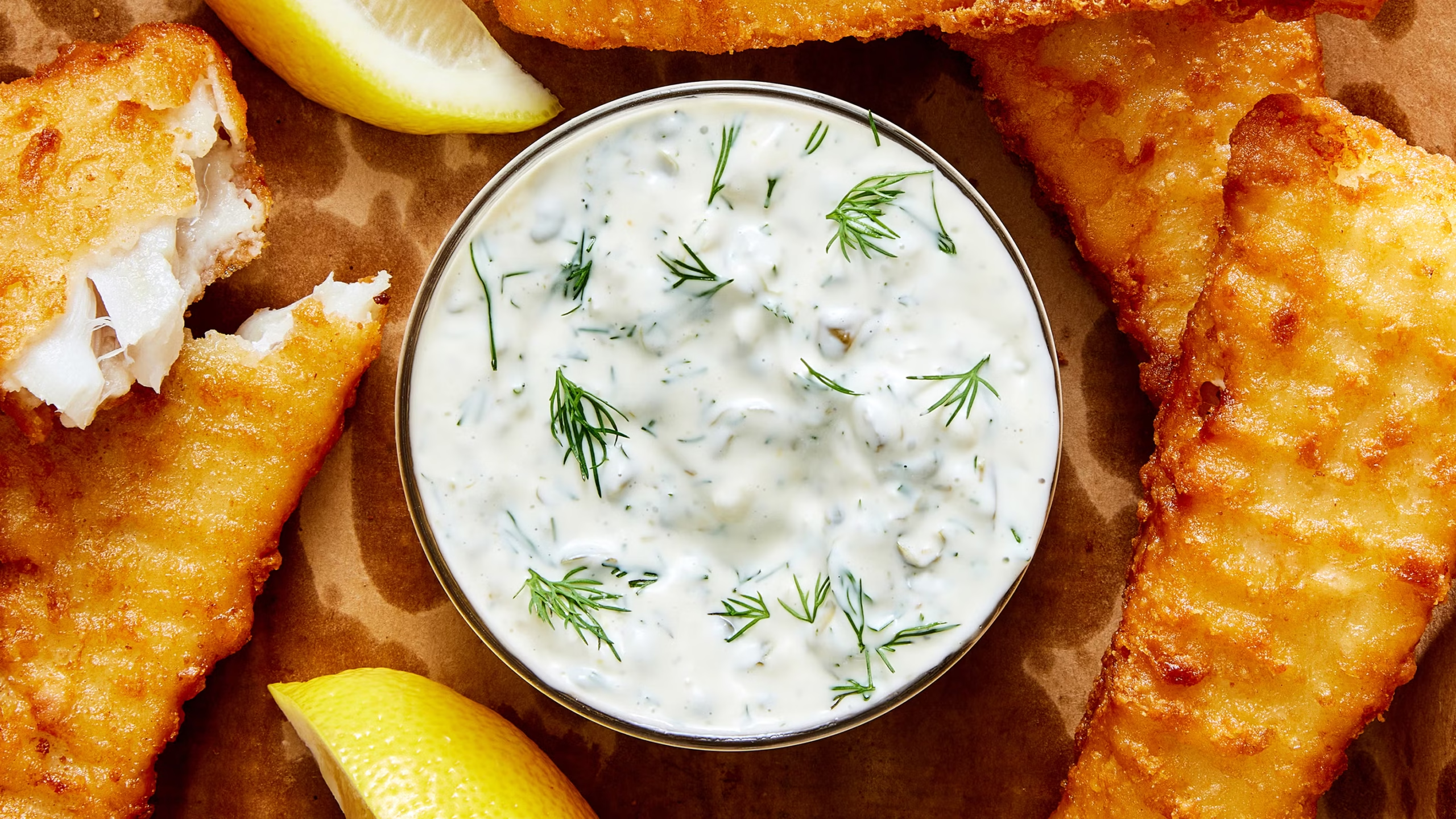
There’s something undeniably comforting about a plate of golden, crispy fish and chips, paired with a tangy homemade tartar sauce that cuts through the richness like a seaside breeze. Growing up near the coast, I’d watch my dad fry up cod in our tiny kitchen, the sizzle of batter hitting hot oil filling the house with anticipation. It’s a dish steeped in tradition, yet versatile enough to feel at home whether you’re dining in a British pub or your own backyard. This article dives deep into crafting the perfect fish and chips with a from-scratch tartar sauce, blending time-tested techniques with practical tips to ensure your meal is restaurant-quality. Whether you’re a novice cook or a seasoned home chef, you’ll find everything you need to master this classic dish.
Why Fish and Chips is a Timeless Favorite
Fish and chips is more than just food—it’s a cultural icon. Originating in 19th-century England, this dish became a staple for working-class families, offering affordable, hearty sustenance. Today, it’s beloved worldwide, from beachside shacks to upscale eateries. Its appeal lies in its simplicity: crispy fried fish, fluffy fries, and a zesty sauce to tie it all together.
The History Behind the Dish
The marriage of fried fish and potatoes is credited to England’s industrial era, with Jewish immigrants introducing the technique of batter-frying fish. By the 1860s, fish and chip shops were popping up across London, serving as the original fast food. This history adds a layer of nostalgia, making every bite a nod to tradition.
Why Homemade is Better
Store-bought fish sticks or takeout can’t compare to the satisfaction of homemade fish and chips. You control the ingredients, from the freshest fish to the perfect seasoning, ensuring a meal that’s both delicious and personal. Plus, homemade tartar sauce elevates the dish with a fresh, customizable tang.
Choosing the Right Ingredients for Fish and Chips
The key to exceptional fish and chips lies in quality ingredients. Fresh fish, starchy potatoes, and a few pantry staples are all you need to create a meal that’s crispy on the outside, tender on the inside, and bursting with flavor.
Best Fish for Frying
Not all fish are created equal when it comes to frying. Cod and haddock are traditional choices for their mild flavor and flaky texture, but pollock or tilapia can work in a pinch. Look for fresh, firm fillets with no fishy odor for the best results.
Sustainable Fish Choices
Overfishing is a concern, so opt for sustainably sourced fish. The Monterey Bay Aquarium’s Seafood Watch recommends US-caught cod or haddock as eco-friendly options. Check labels or ask your fishmonger for guidance.
Picking the Perfect Potatoes
Russet or Yukon Gold potatoes are ideal for chips due to their high starch content, which yields a fluffy interior and crispy exterior. Avoid waxy varieties like red potatoes, as they can turn soggy when fried.
Table: Best Potatoes for Chips
| Potato Type | Texture | Best For |
|---|---|---|
| Russet | Starchy, fluffy | Crispy fries |
| Yukon Gold | Creamy, slightly waxy | Golden fries |
| Red Potato | Waxy, dense | Not recommended |
Ingredients for Homemade Tartar Sauce
Tartar sauce is the unsung hero of fish and chips. A classic recipe calls for mayonnaise, pickles, capers, lemon juice, and fresh herbs like dill or parsley. Customize it with a dash of hot sauce or mustard for a personal twist.
Step-by-Step Guide to Perfect Fish and Chips
Creating fish and chips at home is easier than you might think. With a few techniques and some patience, you’ll have a plate of crispy perfection in no time. Here’s how to do it.
Preparing the Fish
Start with fresh or thawed fillets, patted dry to ensure the batter sticks. Season lightly with salt and pepper before coating to enhance the flavor. A quick dip in flour before the batter helps create an extra-crispy crust.
Pro Tip: Keep It Cold
Chill the fish in the fridge until you’re ready to fry. Cold fish holds the batter better and fries up crispier, preventing a soggy coating.
Making the Batter
A light, airy batter is the secret to crispy fish. Combine flour, baking powder, and a pinch of salt with cold sparkling water or beer for effervescence. The carbonation creates bubbles that make the batter light and crunchy.
Batter Recipe
- 1 cup all-purpose flour
- 1 tsp baking powder
- 1/2 tsp salt
- 1 cup cold sparkling water or beer
- Optional: 1/2 tsp paprika for color
Whisk until smooth, but don’t overmix—lumps are okay. Let the batter rest for 10 minutes before dipping the fish.
Cutting and Soaking the Potatoes
Peel (or leave the skin on for rustic chips) and cut potatoes into 1/2-inch thick fries. Soak them in cold water for at least 30 minutes to remove excess starch, which helps achieve maximum crispiness when frying.
Frying Techniques for Success
Fry the chips first at 325°F (165°C) for 4–5 minutes to cook through, then drain. Increase the oil to 375°F (190°C) for a second fry to crisp them up. For the fish, fry at 375°F for 3–4 minutes per side until golden.
Safety Tip
Use a deep pot or fryer to prevent oil splatter, and never leave hot oil unattended. A thermometer ensures precise temperature control for perfect results.
Crafting Homemade Tartar Sauce
Homemade tartar sauce is quick and transformative. Mix 1 cup mayonnaise, 2 tbsp chopped pickles, 1 tbsp capers, 1 tbsp lemon juice, and 1 tsp chopped dill. Adjust seasoning to taste and refrigerate for 30 minutes to meld flavors.
Tartar Sauce Variations
- Spicy: Add a teaspoon of sriracha or hot sauce.
- Herby: Swap dill for tarragon or chives.
- Light: Use Greek yogurt instead of mayonnaise.
Pros and Cons of Making Fish and Chips at Home
Here’s a quick look at the benefits and challenges of cooking this dish yourself.
Pros
- Customizable: Tailor flavors to your liking, from batter seasoning to sauce variations.
- Cost-Effective: Cheaper than dining out, especially for families.
- Freshness: Control the quality of ingredients for a healthier meal.
Cons
- Time-Intensive: Prep and frying take longer than ordering takeout.
- Messy: Frying can leave your kitchen oily if not managed carefully.
- Equipment Needs: A deep fryer or large pot is ideal, which not everyone owns.
Where to Get the Best Ingredients
For top-notch fish, visit a local fishmonger or trusted grocery store like Whole Foods or Trader Joe’s. Farmers’ markets are great for fresh potatoes and herbs. Online retailers like Vital Choice offer sustainable seafood delivered to your door.
Budget-Friendly Options
If you’re on a budget, check out frozen fish fillets at stores like Costco or Aldi. They’re often just as good as fresh when thawed properly. Buy potatoes in bulk to save even more.
Best Tools for Making Fish and Chips
Having the right equipment makes all the difference. Here are the essentials:
- Deep Fryer: A countertop fryer like the Cuisinart CDF-100 ensures consistent oil temperature.
- Thermometer: A digital thermometer like the ThermoPro TP03 is affordable and accurate.
- Slotted Spoon: For safely removing fish and chips from hot oil.
- Mandoline: For uniform potato slices, try the OXO Good Grips model.
People Also Ask (PAA)
What is the best fish for fish and chips?
Cod and haddock are the gold standards due to their flaky texture and mild flavor. Pollock is a budget-friendly alternative that fries up well.
How do you make fish and chips crispy?
Use a light batter with sparkling water or beer, fry at the right temperature (375°F for fish), and double-fry the chips for extra crunch.
What is tartar sauce made of?
Traditional tartar sauce includes mayonnaise, chopped pickles, capers, lemon juice, and herbs like dill. You can customize it with spices or yogurt.
Can you make fish and chips without a fryer?
Yes, use a deep, heavy pot with a thermometer to monitor oil temperature. A cast-iron Dutch oven works well for even heat distribution.
FAQ: Common Questions About Fish and Chips
Q: Can I bake fish and chips instead of frying?
A: Yes, for a healthier option, coat the fish in batter and bake at 425°F (220°C) for 20 minutes, flipping halfway. Bake chips at the same temperature for 30–40 minutes, tossing occasionally.
Q: How do I store leftovers?
A: Store fish and chips separately in airtight containers in the fridge for up to 2 days. Reheat in a 350°F oven to maintain crispiness, as microwaving can make them soggy.
Q: What’s a good side dish for fish and chips?
A: Coleslaw, mushy peas, or a simple green salad complement the richness of the dish. Pickled onions add a tangy contrast.
Q: Can I make tartar sauce ahead of time?
A: Absolutely. Prepare it up to 3 days in advance and store it in the fridge. The flavors deepen over time, making it even tastier.
Q: Is fish and chips gluten-free?
A: Traditional recipes use wheat flour, but you can swap it for gluten-free flour blends or rice flour for a crispy, gluten-free version.
Comparison: Homemade vs. Takeout Fish and Chips
| Aspect | Homemade Fish and Chips | Takeout Fish and Chips |
|---|---|---|
| Cost | $10–15 for 4 servings | $15–25 per serving |
| Freshness | Full control over ingredients | Varies by restaurant |
| Customization | Highly customizable | Limited options |
| Time | 1–1.5 hours prep | 10–20 minutes wait |
| Health | Can use healthier oils | Often uses cheaper oils |
Tips for a Restaurant-Quality Experience
- Serve Hot: Fish and chips are best straight from the fryer. Keep a warm oven (200°F) ready to hold batches.
- Presentation: Serve on parchment paper or in a basket for that classic chip-shop vibe.
- Pairings: A cold beer or sparkling lemonade enhances the meal’s refreshing feel.
- Leftovers Hack: Turn leftovers into fish tacos with tortillas, cabbage, and extra tartar sauce.
A Personal Touch: My Fish and Chips Story
I’ll never forget the summer I spent perfecting fish and chips for a family gathering. My first attempt was a disaster—soggy batter and limp fries. But after tweaking the batter with beer and double-frying the chips, I nailed it. The look on my uncle’s face when he took his first bite was worth every oily splash. It’s a dish that brings people together, and I hope this guide helps you create your own memorable moments.
Final Thoughts
Fish and chips with homemade tartar sauce is more than a meal—it’s an experience that blends tradition, flavor, and a touch of kitchen magic. With fresh ingredients, a few simple techniques, and a dash of love, you can recreate this classic at home. Whether you’re serving it for a cozy family dinner or a lively gathering, this dish is sure to impress. So, grab your apron, heat up that oil, and dive into the crispy, tangy world of fish and chips!