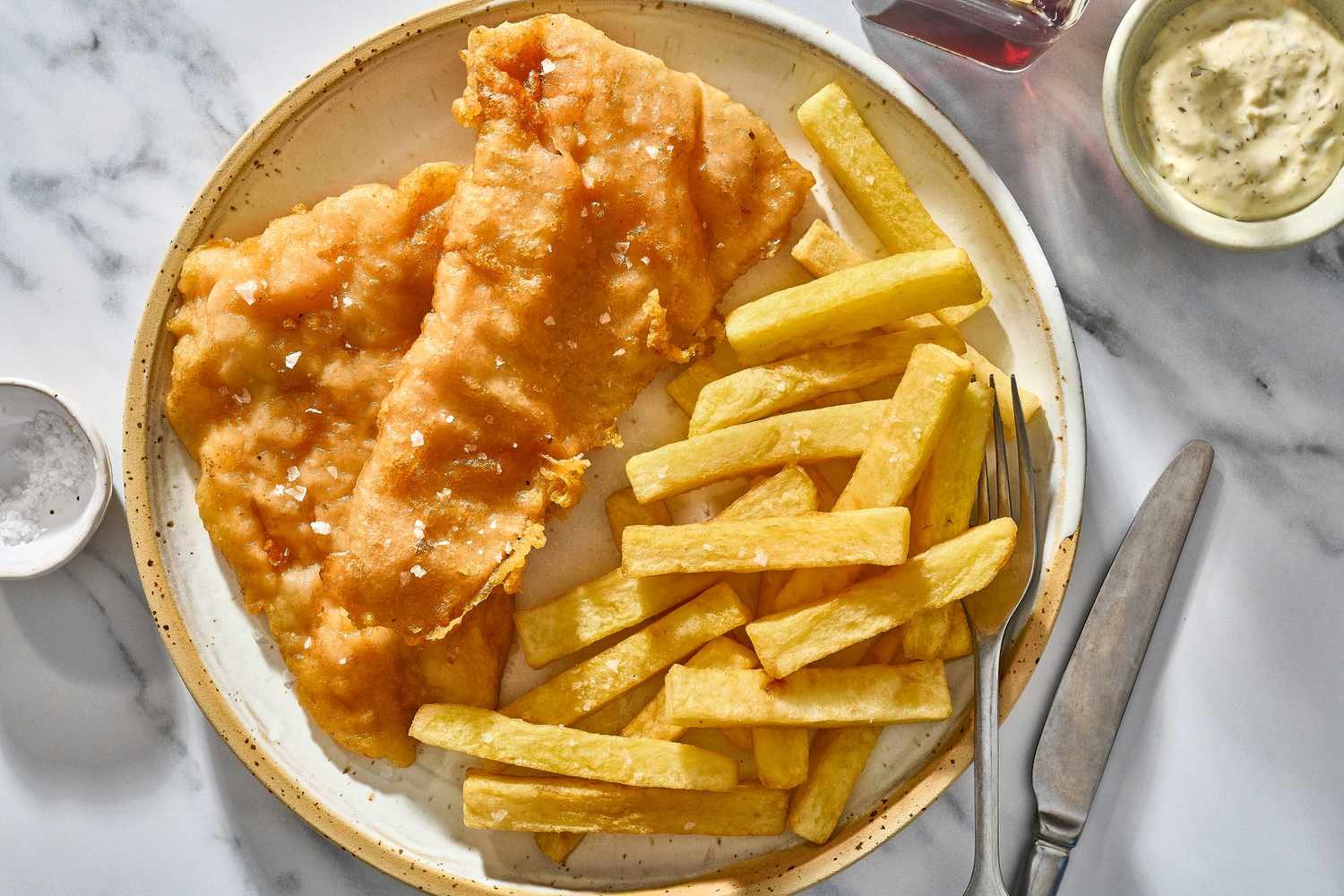
Nothing beats the golden crunch of perfectly battered fish paired with thick, fluffy chips fresh from the fryer. This iconic British dish, born in the bustling streets of 19th-century London, has become a global comfort food favorite. Whether you’re reminiscing about seaside takeaways or craving a homemade version that rivals your local chippy, this guide will walk you through every step to create crispy battered fish and chips that’ll leave your kitchen smelling like a coastal pub. Drawing from my own trials in the kitchen—and a few soggy disasters along the way—I’ll share a foolproof recipe, tips, and tricks to nail this dish with confidence.
Why Fish and Chips Is a Timeless Classic
Fish and chips isn’t just food; it’s a cultural institution. From its humble origins as a working-class staple to its place on modern gastropub menus, this dish delivers crispy, savory satisfaction. The combination of tender fish encased in a light, airy batter and golden, hand-cut fries hits all the right spots. Mastering it at home brings a sense of accomplishment—and maybe a few jealous neighbors sniffing the air.
A Brief History of Fish and Chips
Born in the 1860s, fish and chips emerged when Jewish immigrants introduced fried fish to Britain, pairing it with the nation’s love for potatoes. By the early 20th century, “chippies” were a cornerstone of British life, fueling workers through industrial days. Today, it’s a dish that transcends borders, with variations from Australia to the U.S.
Why Make It at Home?
Store-bought fish and chips can be hit or miss—greasy batter or limp fries can ruin the experience. Making it yourself lets you control the quality, customize flavors, and impress your family or guests. Plus, it’s surprisingly budget-friendly and fun to perfect.
Ingredients for Crispy Battered Fish and Chips
The magic of fish and chips lies in fresh, simple ingredients. Here’s what you’ll need for a meal serving four.
For the Fish
A great batter and fresh fish are non-negotiable for that perfect crunch.
- Fish: 4 cod or haddock fillets (6–8 oz each), skinless and boneless. Cod is flaky and mild; haddock has a slightly sweeter taste.
- Flour: 1 ½ cups all-purpose flour for the batter, plus extra for dusting.
- Cornstarch: ¼ cup for extra crispiness.
- Baking Powder: 1 tsp to make the batter light and airy.
- Beer or Sparkling Water: 1 cup ice-cold (beer adds flavor; sparkling water keeps it light).
- Salt and Pepper: To season the fish and batter.
- Paprika: 1 tsp for a subtle smoky kick (optional).
For the Chips
Thick-cut, golden fries are the heart of this dish.
- Potatoes: 4 large russet potatoes, peeled and cut into ½-inch thick fries.
- Oil: Vegetable or peanut oil for frying (high smoke point is key).
- Salt: For seasoning post-fry.
For Serving
- Tartar Sauce: Homemade or store-bought.
- Lemon Wedges: For a zesty finish.
- Malt Vinegar: A classic British touch.
| Ingredient | Quantity | Purpose |
|---|---|---|
| Cod/Haddock | 4 fillets | Main protein, flaky texture |
| All-Purpose Flour | 1 ½ cups | Base for crispy batter |
| Beer/Sparkling Water | 1 cup | Creates light, airy batter |
| Russet Potatoes | 4 large | Thick, fluffy chips |
| Vegetable Oil | 2–3 quarts | High smoke point for frying |
Step-by-Step Recipe for Crispy Battered Fish and Chips
This recipe balances technique with simplicity, ensuring restaurant-quality results at home. Let’s dive in.
Preparing the Chips
Great chips start with the right cut and a double-fry method.
- Cut and Soak: Peel the potatoes and slice into ½-inch thick fries. Soak in cold water for 30 minutes to remove excess starch—this prevents soggy fries.
- First Fry: Heat oil to 325°F in a deep fryer or large pot. Fry potatoes in batches for 5–7 minutes until soft but not browned. Drain on paper towels.
- Second Fry: Increase oil to 375°F. Fry potatoes again for 3–4 minutes until golden and crisp. Sprinkle with salt immediately.
Making the Batter
A light, bubbly batter is the secret to crispy fish.
- Mix Dry Ingredients: In a large bowl, whisk together flour, cornstarch, baking powder, paprika, salt, and pepper.
- Add Liquid: Slowly pour in ice-cold beer or sparkling water, whisking until smooth. The batter should be thick enough to coat the fish but not heavy.
- Chill: Let the batter rest in the fridge for 15 minutes to keep it cold (cold batter = crispier results).
Frying the Fish
Timing is everything to avoid greasy fish.
- Pat Fish Dry: Pat fillets dry with paper towels and season lightly with salt and pepper.
- Dust with Flour: Lightly coat each fillet in flour to help the batter stick.
- Dip and Fry: Dip fillets in the batter, letting excess drip off. Fry in 375°F oil for 4–6 minutes, turning once, until golden and crispy. Drain on paper towels.
Serving It Up
Plate the fish and chips hot, with lemon wedges, tartar sauce, and a splash of malt vinegar for authenticity.
Tips for Perfect Fish and Chips
I’ve burned a few batches in my day, so here are hard-earned tips to ensure success.
- Keep It Cold: Cold batter and fish prevent oil absorption, ensuring crispiness.
- Don’t Overcrowd the Fryer: Fry in small batches to maintain oil temperature.
- Use a Thermometer: Consistent oil temperature (375°F for fish, 325°F/375°F for chips) is critical.
- Choose the Right Oil: Peanut or vegetable oil works best for clean flavor and high heat tolerance.
Pros and Cons of Making Fish and Chips at Home
Pros
- Customizable: Adjust seasoning or batter thickness to your taste.
- Cost-Effective: Cheaper than takeout for a family meal.
- Freshness: Control the quality of ingredients for a healthier result.
Cons
- Time-Intensive: Prep and frying take about an hour.
- Messy: Frying can leave your kitchen oily if not managed carefully.
- Equipment: A deep fryer or large pot is needed for best results.
Comparison: Cod vs. Haddock for Fish and Chips
| Feature | Cod | Haddock |
|---|---|---|
| Flavor | Mild, neutral | Slightly sweet |
| Texture | Flaky, tender | Firmer, meatier |
| Cost | More affordable | Slightly pricier |
| Availability | Widely available | Common but less so |
Which to Choose? Cod is the go-to for a classic chippy experience, but haddock’s richer flavor shines with a bold batter. Try both to find your favorite!
Where to Get the Best Ingredients
- Fish: Local fish markets or trusted retailers like Whole Foods offer fresh, sustainable cod and haddock.
- Potatoes: Farmers’ markets or grocery stores like Walmart have high-quality russets.
- Oil and Pantry Staples: Stock up at Amazon Fresh for bulk frying oil and spices.
Best Tools for Making Fish and Chips
- Deep Fryer: The T-Fal Deep Fryer offers precise temperature control.
- Thermometer: A digital thermometer like the ThermoPro ensures accurate oil temps.
- Slotted Spoon: Essential for safe frying and draining.
People Also Ask (PAA)
What is the best fish for fish and chips?
Cod and haddock are the gold standards due to their flaky texture and mild flavor. Pollock is a budget-friendly alternative but less flavorful.
How do you keep battered fish crispy?
Use ice-cold batter, fry at 375°F, and avoid overcrowding the fryer. Drain on paper towels and serve immediately to maintain crunch.
Can you make fish and chips without beer?
Yes! Sparkling water or club soda creates a light, crispy batter without alcohol, perfect for a family-friendly version.
What’s the secret to perfect chips?
Double-frying is key: a low-temp fry to cook the potatoes, followed by a high-temp fry for crispiness. Soaking in water removes starch for fluffier results.
FAQ Section
Can I bake fish and chips instead of frying?
Yes, but the texture won’t be as crispy. Coat fish in batter and bake at 425°F for 20 minutes, flipping halfway. Bake chips at the same temperature for 30–40 minutes, tossing occasionally.
What oil is best for frying fish and chips?
Peanut or vegetable oil is ideal due to their high smoke points and neutral flavors. Avoid olive oil, as it burns at lower temperatures.
How do I store leftovers?
Store fish and chips separately in airtight containers in the fridge for up to 2 days. Reheat in a 400°F oven for 10 minutes to restore crispiness.
Can I use frozen fish?
Yes, but thaw completely and pat dry to avoid excess water, which can make the batter soggy.
What sides pair well with fish and chips?
Tartar sauce, mushy peas, coleslaw, or a simple green salad complement the dish perfectly.
A Personal Touch: My Fish and Chips Journey
The first time I tried making fish and chips, I was overly confident, thinking it’d be a breeze. The result? A soggy mess that my dog enjoyed more than I did. But after tweaking the batter (ice-cold beer was a game-changer) and mastering the double-fry method, I finally nailed it. Now, it’s a weekend ritual in my house, complete with a splash of malt vinegar and a cold drink. There’s something deeply satisfying about that first crunchy bite—trust me, you’ll feel like a culinary rockstar when you get it right.
Conclusion: Your Path to Fish and Chips Glory
Crispy battered fish and chips is more than a meal; it’s a celebration of simple ingredients and timeless flavors. With fresh fish, a light batter, and perfectly fried chips, you can bring the chippy to your kitchen. Follow this recipe, embrace the tips, and don’t be afraid to experiment. Whether you’re cooking for a crowd or treating yourself, this dish delivers comfort and joy in every bite. So, grab your apron, heat that oil, and get frying—your perfect fish and chips await!