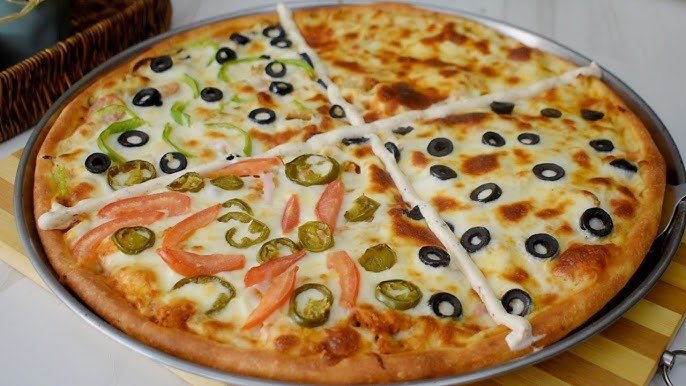
Hey there, pizza lovers. If you’ve ever bitten into a slice from that viral YouTube video by Lively Cooking and thought, “I could totally make that at home,” you’re in the right place. I’m talking about that mouthwatering homemade pizza recipe that’s been racking up views since 2023—the one with the golden, bubbly crust, simple sauce, and toppings that make you forget delivery exists. As someone who’s spent way too many Friday nights experimenting in my kitchen (and yes, burning a few crusts along the way), I can tell you this: recreating it isn’t just doable; it’s downright fun. Let me walk you through it, step by step, with all the tweaks I’ve learned to make it even better. No fancy equipment needed—just some basic ingredients and a bit of patience. By the end, you’ll have a pie that’s crisp on the bottom, chewy in the middle, and loaded with flavor that’ll have your family begging for seconds.
What Makes This Pizza Recipe So Special?
This recipe from Lively Cooking stands out because it’s straightforward yet delivers restaurant-quality results without the hassle. It’s built on a no-fuss dough that rises just enough to get that airy texture, paired with a fresh tomato sauce and classic toppings like mozzarella and pepperoni. What I love most is how forgiving it is—perfect for beginners who want to impress without stress. Over the years, I’ve adapted it slightly based on what I have on hand, like adding a pinch of garlic powder to the dough for extra oomph, but the core stays true to the original. It’s the kind of meal that turns a regular weeknight into a mini celebration, especially when you see the steam rising from the oven.
The Heart of It All: Homemade Pizza Dough
Dough is where the magic happens, and Lively Cooking’s version nails it with simple ratios that yield about two 12-inch pizzas. Start with 2 and a half cups of all-purpose flour (around 275 grams), plus an extra half cup for kneading if needed. Mix in 1 teaspoon of instant dry yeast and 1 teaspoon of sugar to kickstart the rise. Then, add 1 cup of lukewarm water—aim for about 100°F, warm to the touch but not hot enough to scald. Stir in a teaspoon of salt and 2 tablespoons of olive oil for that subtle richness. Knead for 5-7 minutes until smooth and elastic; it should bounce back when poked. Let it rise in a covered bowl for 1-2 hours until doubled. I’ve made this dough on rainy days when my kitchen’s chilly, and it still turns out great—just give it a warm spot. This base is versatile, too; I’ve used it for calzones when leftovers call.
Ingredients for the Dough
- 2 ½ cups all-purpose flour (plus ½ cup extra for dusting)
- 1 tsp instant dry yeast
- 1 tsp sugar
- 1 cup lukewarm water
- 1 tsp salt
- 2 tbsp olive oil
These basics keep things affordable and accessible, but swapping bread flour for a chewier crust is a pro move if you want to level up.
Crafting the Perfect Pizza Sauce
Sauce ties everything together, and Lively Cooking keeps it simple: a no-cook blend that lets the tomatoes shine. Grab a 15-ounce can of crushed San Marzano tomatoes (or fresh if you’re feeling fancy), 2 minced garlic cloves, a tablespoon of olive oil, salt to taste, and a pinch of dried oregano and red pepper flakes for kick. Pulse it in a food processor or mash by hand until smooth but chunky. No simmering required—that fresh zing cuts through the cheese beautifully. I remember the first time I tried this; my old jarred sauce habit died right there. It takes 5 minutes tops and stores in the fridge for up to a week. For variations, I’ve stirred in fresh basil at the end for that herbaceous pop.
Why No-Cook Sauce Works
This method preserves the tomatoes’ brightness, avoiding the muddled flavors from overcooking. It’s lighter, too, so your pizza doesn’t get soggy. If you’re short on time, even a quick whirl with pantry staples does the trick.
Essential Tools for Homemade Pizza Success
You don’t need a wood-fired oven to pull this off, but the right tools make a world of difference. A pizza stone or baking steel is my top pick—preheat it at 500°F for 45 minutes to mimic that pizzeria crisp. If that’s not in your budget, a heavy cast-iron skillet or inverted baking sheet works wonders. For shaping, a rolling pin helps, but hands are best for that rustic edge. Parchment paper prevents sticking, and a pizza cutter slices cleanly. I once baked without preheating my stone properly, and the bottom stayed doughy—lesson learned. Invest in a digital thermometer for water temp; it ensures your yeast activates every time.
Budget-Friendly Alternatives
No stone? Use a perforated pizza pan for airflow. For cutting, a sharp chef’s knife stands in for a cutter. These swaps keep costs low while delivering pro results.
Step-by-Step Guide to Assembling Your Pizza
Once your dough’s risen, punch it down and divide into two balls. On a floured surface, stretch or roll each into a 12-inch circle—gently, to keep air bubbles intact. Transfer to parchment on your hot stone or pan. Spread ½ cup sauce per pizza, leaving a ½-inch border. Add 1-2 cups shredded mozzarella, then toppings. Slide into the oven at 500°F for 10-12 minutes until the cheese bubbles and crust golden. Let it rest 5 minutes before slicing. My go-to assembly night involved my kids “helping”—messy, but the laughs (and clean-up) made it memorable.
Pre-Baking Tip for Crispiness
Par-bake the dough 3-4 minutes before toppings to avoid sogginess. It’s a game-changer for loaded pies.
Classic Toppings from the Lively Cooking Recipe
Stick to the original for authenticity: pepperoni slices, sliced bell peppers, onions, and mushrooms scattered over the cheese. It keeps things balanced—meaty, veggie-forward, and not overwhelming. Bake until veggies soften and edges char slightly. I chuckle thinking of my first attempt; I overloaded with onions and ended up with a watery slice. Moderation is key here.
Layering for Even Flavor
Sauce first, then cheese to hold toppings, then veggies and meats. This prevents sliding and ensures every bite pops.
Delicious Variations to Try at Home
Branch out with a Margherita twist: fresh mozzarella slices, sliced tomatoes, and basil post-bake for that summery vibe. Or go BBQ chicken—shredded rotisserie chicken, barbecue sauce instead of tomato, red onions, and cilantro. For veggie lovers, roasted eggplant and feta add smoky depth. I’ve hosted pizza parties where everyone customizes; the white pizza with ricotta, spinach, and garlic became a hit. These tweaks keep things exciting without straying from the dough’s strengths.
Pros and Cons of Popular Variations
| Variation | Pros | Cons |
|---|---|---|
| Margherita | Fresh, light, easy on calories | Can be bland if tomatoes aren’t ripe |
| BBQ Chicken | Bold flavors, crowd-pleaser | Sweeter profile not for purists |
| Veggie Supreme | Nutritious, colorful | Veggies release moisture if not pre-cooked |
| Pepperoni Classic | Simple, satisfying | High sodium if overdone |
This table helps weigh options based on your mood.
Common Mistakes and How to Avoid Them
One big pitfall? Overloading toppings—leads to a floppy mess. Stick to 3-4 per pizza. Another: not preheating the oven fully. Your crust needs that blast of heat for structure. And don’t skimp on salt in the dough; it enhances flavor. I once used cold water and the yeast didn’t activate—flat disaster. Measure temps, and you’re golden. Humorously, my dog once “stole” a slice mid-assembly; taught me to work faster!
Quick Fixes for Dough Disasters
- Too sticky? Add flour sparingly while kneading.
- Won’t rise? Check yeast freshness—bloom it in water first.
- Tearing when stretching? Let it rest 10 minutes.
These save the day every time.
Baking Techniques for the Perfect Crust
High heat is non-negotiable—500°F or your oven’s max. Position the rack low for bottom crisp. Rotate halfway through for even browning. If using a stone, slide the pizza off parchment after 5 minutes for direct contact. I’ve grilled this dough in summer; it adds smoky notes but watch for flare-ups. The result? A crust that’s blistered and chewy, just like Lively Cooking’s demo.
Oven vs. Grill Comparison
| Method | Time | Crust Texture | Best For |
|---|---|---|---|
| Oven (Stone) | 10-12 min | Crispy bottom, even bake | Weeknights |
| Grill | 8-10 min | Charred, smoky | Outdoor fun |
| Skillet | 12-15 min | Thick, pan-fried edge | No oven needed |
Choose based on your setup.
Storing and Reheating Leftovers
Leftovers? Wrap slices in foil and fridge for 3 days. Reheat at 375°F on a baking sheet for 5-7 minutes to revive crispness—microwave turns it soggy. Freeze dough balls up to a month; thaw overnight in the fridge. I freeze sauce in ice cube trays for portioned use. Pro tip: Reheat with a sprinkle of water under the foil for steam.
Freezing Dough Tips
- Oil the balls lightly before bagging.
- Thaw at room temp 1-2 hours before stretching.
- Use within 3 months for best rise.
People Also Ask
How long does it take to make homemade pizza dough?
From start to bake, you’re looking at 2-3 hours total, including rise time. The active work is just 15-20 minutes—mix, knead, and wait. If you’re in a rush, same-day dough works, but overnight in the fridge boosts flavor.
Can I use all-purpose flour for pizza dough?
Absolutely, and that’s what Lively Cooking calls for. It gives a tender crust. For extra chew, sub in bread flour 1:1. Just don’t use cake flour; it’ll be too soft.
What’s the best cheese for homemade pizza?
Fresh mozzarella melts dreamily, but a low-moisture shredded blend holds up better without watering out. Mix in parmesan for nutty depth. Avoid pre-shredded if possible—anti-caking agents hinder melt.
How do I get a crispy crust at home?
Preheat your baking surface (stone or pan) fully, use less sauce, and par-bake the dough. High heat and cornmeal under the dough add crunch. Soggy? Your oven wasn’t hot enough.
Can I make pizza without an oven?
Yes! Use a stovetop skillet: cook dough 3-4 minutes per side, add toppings, cover, and steam until cheese melts. It’s quicker but less even—great for apartments.
FAQ
Why is my pizza dough tough?
Over-kneading or too much flour can toughen it. Knead just until smooth, and use wet hands if sticky. Let it rest to relax gluten.
How do I prevent toppings from making the pizza soggy?
Pre-cook meats and roast veggies. Use less sauce (about ½ cup per 12-inch), and cheese as a barrier. Pat toppings dry.
Can this recipe be gluten-free?
Swap in a 1:1 gluten-free flour blend, but add xanthan gum if not included. The texture changes—crispier, less chewy. Test with small batches.
What’s the ideal water temperature for yeast?
Around 100-110°F—warm like a bath. Too hot kills yeast; too cold slows rise. Use a thermometer for consistency.
How many calories in one slice of this pizza?
About 250-300 per slice (1/8 of a 12-inch pie with basic toppings). Varies by add-ons; load veggies to keep it lighter.
There you have it—the full scoop on nailing that Lively Cooking-inspired pizza at home. From my trial-and-error sessions (including that one charred attempt that smelled like a bonfire), this recipe has become a staple. It’s not just food; it’s a way to connect, create, and savor something truly homemade. Grab those ingredients, fire up the oven, and let me know how your pie turns out. Buon appetito!