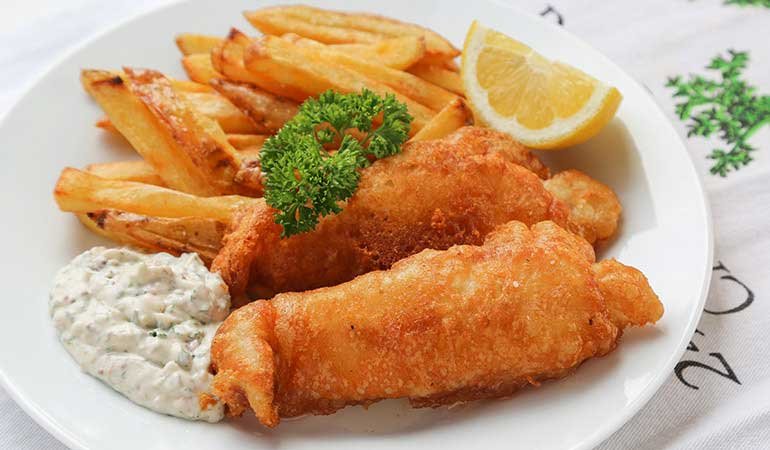
Fish and chips with tartar sauce is more than just a meal—it’s a cultural icon, a crispy, golden hug on a plate that brings people together. Whether you’re reminiscing about seaside takeaways in Britain or craving a homemade version to impress your friends, this dish delivers comfort and flavor in every bite. In this guide, we’ll dive into the history, techniques, and tips to make the perfect fish and chips with a zesty tartar sauce, all while sharing stories and insights to make your cooking journey unforgettable.
The History of Fish and Chips
Fish and chips is a quintessentially British dish, born in the 19th century when fried fish from Jewish immigrants met the rise of potato chips (fries) in working-class communities. By the 1860s, the dish was a staple, with “chippies” popping up across the UK. Today, it’s a global favorite, from Australia to the U.S., loved for its crispy batter and flaky fish.
Why It’s a Timeless Classic
The appeal lies in its simplicity—fresh fish, golden fries, and a tangy tartar sauce that ties it all together. It’s a dish that evokes nostalgia, whether you’re eating it wrapped in newspaper or on a fancy plate at home. Its universal charm makes it a go-to for casual dinners or gatherings.
Ingredients for Perfect Fish and Chips
Creating restaurant-quality fish and chips starts with quality ingredients. Here’s what you’ll need for a meal that serves four:
- Fish: 4 cod or haddock fillets (6–8 oz each), skinless and boneless
- Potatoes: 2 lbs russet potatoes for crispy fries
- Batter: 1 cup all-purpose flour, 1 tsp baking powder, 1 cup cold sparkling water or beer
- Seasonings: Salt, black pepper, and optional paprika for extra flavor
- Oil: Vegetable or peanut oil for frying
- Tartar Sauce: Mayonnaise, pickles, capers, lemon juice, and fresh dill
Choosing the Right Fish
Cod and haddock are traditional choices for their mild flavor and flaky texture. Pollock or tilapia work as budget-friendly alternatives, but avoid overly delicate fish like sole, which can fall apart during frying.
Sustainable Fish Options
Opt for MSC-certified fish to support sustainable fishing practices. Check local markets or trusted suppliers like Whole Foods for responsibly sourced seafood.
Step-by-Step Recipe for Fish and Chips
Making fish and chips at home is easier than you think, but it requires attention to detail. Follow these steps for a crispy, golden result.
Step 1: Prepare the Chips
Cut russet potatoes into thick fries, soak them in cold water for 30 minutes to remove excess starch, and pat dry. This ensures extra crispiness when fried.
Double-Frying for Perfect Chips
Fry the potatoes at 325°F for 5–7 minutes until soft, then drain. Increase the oil to 375°F and fry again for 2–3 minutes until golden and crispy. Sprinkle with sea salt.
Step 2: Make the Batter
Whisk flour, baking powder, and a pinch of salt with cold sparkling water or beer. The carbonation creates a light, airy batter. Keep it chilled until ready to use for maximum crispiness.
Pro Tip for Crispy Batter
Use ice-cold liquid and don’t overmix the batter—lumps are okay! Overmixing deflates the bubbles, leading to a dense coating.
Step 3: Fry the Fish
Pat the fish fillets dry, season with salt and pepper, and dip in the batter. Fry at 375°F for 4–6 minutes until golden and the fish flakes easily. Drain on paper towels.
Safety Tips for Frying
Use a deep pot or fryer to avoid oil splatter, and never leave hot oil unattended. A thermometer is key to maintaining the right temperature.
Crafting the Perfect Tartar Sauce
Tartar sauce is the unsung hero of fish and chips, adding a creamy, tangy contrast. Here’s a quick recipe:
- Ingredients: 1 cup mayonnaise, 2 tbsp finely chopped pickles, 1 tbsp capers, 1 tbsp lemon juice, 1 tsp Dijon mustard, 2 tbsp fresh dill, salt, and pepper
- Method: Mix all ingredients in a bowl. Chill for 20 minutes to let flavors meld.
Customizing Your Tartar Sauce
Add a dash of hot sauce for a spicy kick or swap dill for parsley if you prefer a milder herb. Taste and adjust seasoning to suit your palate.
Serving Suggestions
Serve fish and chips hot with a generous dollop of tartar sauce, lemon wedges, and a side of mushy peas for authenticity. A sprinkle of malt vinegar adds a traditional zing.
Presentation Tips
For a rustic vibe, serve in parchment paper-lined baskets. For a modern twist, plate with microgreens and a lemon slice for Instagram-worthy appeal.
Where to Get the Best Fish and Chips
If cooking isn’t your thing, here are top spots to enjoy fish and chips:
- UK: Try The Golden Chippy in London for award-winning fish and chips.
- USA: The Codmother Fish & Chips in San Francisco offers a quirky, delicious take.
- Australia: Hunky Dory Fish & Chips in Melbourne is a local favorite.
Finding Local Chippies
Search “best fish and chips near me” on Google Maps or check Yelp for highly rated spots. Look for places with fresh, locally sourced fish for the best experience.
Tools for Making Fish and Chips at Home
To nail this dish, invest in these kitchen tools:
| Tool | Purpose | Recommended Brand |
|---|---|---|
| Deep Fryer | Consistent frying temperature | T-fal |
| Thermometer | Monitors oil temperature | ThermoPro |
| Mandoline Slicer | Uniform potato cuts | OXO |
| Mixing Bowl | Batter preparation | Pyrex |
Budget-Friendly Alternatives
No fryer? Use a heavy-bottomed pot. A slotted spoon works fine for flipping fish if you don’t have tongs.
Pros and Cons of Homemade Fish and Chips
Pros:
- Customizable flavors and ingredients
- Cheaper than dining out
- Fun cooking experience for family or friends
Cons:
- Frying can be messy and time-consuming
- Requires precise temperature control
- Oil disposal can be tricky
Tips for Easy Cleanup
Line your workspace with foil to catch drips, and pour cooled oil into a sealed container for recycling at local facilities.
My Personal Fish and Chips Story
Growing up, my family had a tradition of Friday fish and chips nights at a local pub. The crunch of the batter, the tang of the tartar sauce—it was pure magic. Years later, I tried recreating it for my friends, only to realize my batter was more pancake than crispy. After some trial and error (and a lot of soggy fries), I learned the secret: cold batter and double-fried chips. Now, my homemade version rivals the pub’s, and it’s become my go-to for impressing guests. There’s something deeply satisfying about nailing a classic dish—it’s like a high-five from your taste buds.
People Also Ask (PAA)
What is the best fish for fish and chips?
Cod and haddock are top choices for their flaky texture and mild flavor. Pollock is a great budget option, while halibut works for a premium twist.
How do you make fish and chips crispy?
Use cold, carbonated liquid for the batter, double-fry the chips, and maintain oil at 375°F for frying. Pat fish and potatoes dry before cooking to avoid sogginess.
Where did fish and chips originate?
Fish and chips originated in 19th-century England, combining Jewish fried fish traditions with fried potatoes. It became a working-class staple by the 1860s.
Can you make fish and chips without a fryer?
Yes, use a deep, heavy pot with a thermometer to monitor oil temperature. A Dutch oven works well for safe, even frying.
Comparison: Homemade vs. Takeout Fish and Chips
| Aspect | Homemade | Takeout |
|---|---|---|
| Cost | $10–$15 for 4 servings | $15–$25 per person |
| Customization | Full control over ingredients | Limited to menu options |
| Time | 1–1.5 hours prep and cook | 10–20 minutes wait |
| Freshness | Made to order, ultra-fresh | May sit under heat lamps |
| Experience | Fun but messy | Convenient but less personal |
Which Is Better?
Homemade is ideal for foodies who love experimenting, while takeout suits busy nights when you crave convenience. If you’re after the freshest flavors, homemade wins.
FAQ Section
What’s the secret to crispy fish and chips?
The key is cold batter (use sparkling water or beer), double-frying the chips, and maintaining a steady oil temperature of 375°F. Pat ingredients dry to avoid excess moisture.
Can I bake fish and chips instead of frying?
Yes, for a healthier option, coat fish in batter and bake at 425°F for 20 minutes, flipping halfway. Bake chips at the same temperature for 30–40 minutes, tossing occasionally.
What’s a good side dish for fish and chips?
Mushy peas, coleslaw, or a simple green salad pair perfectly. For a twist, try pickled onions or a cucumber salad for extra freshness.
How do I store leftover fish and chips?
Store in an airtight container in the fridge for up to 2 days. Reheat in an oven at 350°F for 10 minutes to restore crispiness—avoid microwaving to prevent sogginess.
Can I make tartar sauce without mayonnaise?
Yes, use Greek yogurt or sour cream as a base for a lighter version. Add pickles, lemon juice, and herbs for the same tangy flavor.
Tips for Success
- Test Your Oil: Drop a small bit of batter into the oil—if it sizzles and floats, it’s ready.
- Don’t Crowd the Pan: Fry in small batches to maintain oil temperature.
- Experiment with Flavors: Add garlic powder or Old Bay to the batter for a unique twist.
- Serve Immediately: Fish and chips are best enjoyed hot for maximum crunch.
Conclusion
Fish and chips with tartar sauce is more than a meal—it’s a celebration of crispy, comforting flavors that bring people together. Whether you’re frying up a batch at home or seeking the best local chippy, this guide has you covered with tips, tricks, and a touch of nostalgia. So grab some fresh fish, whip up that tangy tartar sauce, and enjoy a dish that’s stood the test of time. What’s your favorite way to enjoy fish and chips? Let us know in the comments!