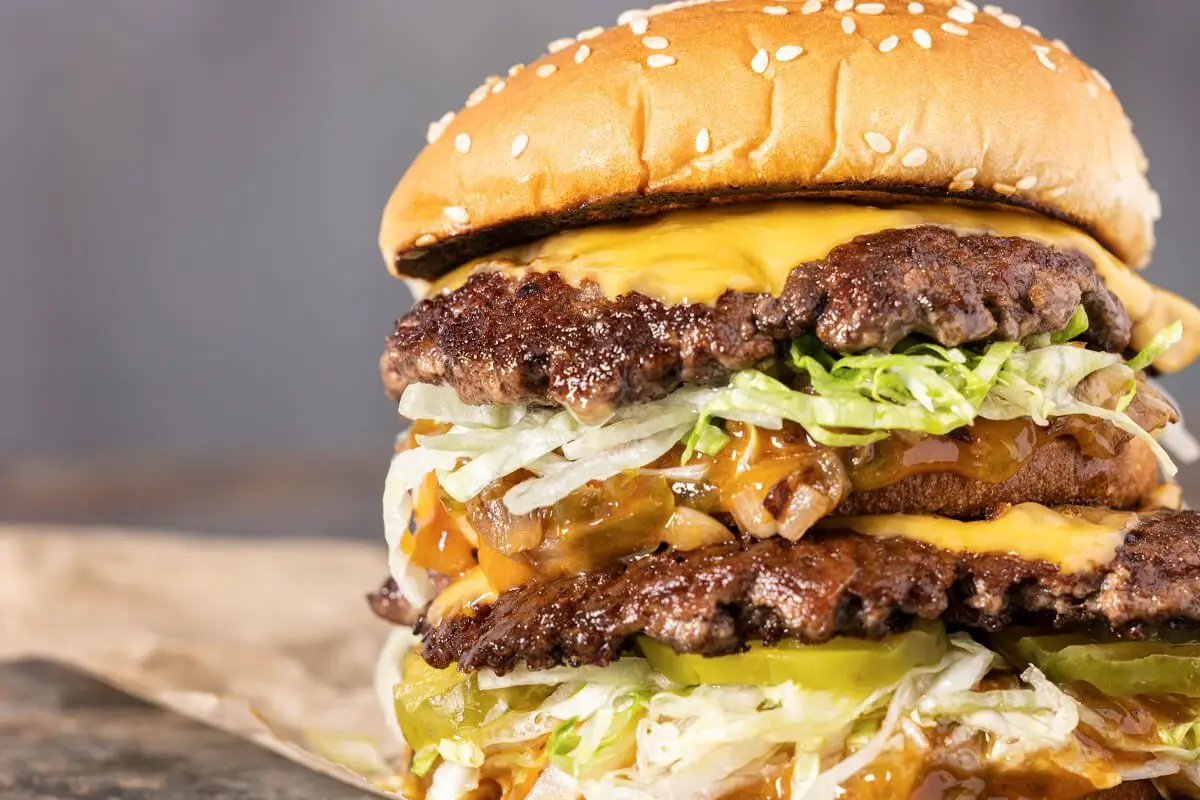
Picture this: It’s a rainy Saturday afternoon in my early twenties, and I’m crammed in the back of a beat-up station wagon with three buddies on a cross-country road trip. The GPS is glitchy, everyone’s hangry, and the only beacon of hope is that golden arches sign glowing through the downpour. We pull up, and without a word, we all order the same thing—a double cheeseburger. That first bite? Melty cheese hugging two juicy patties, the tang of ketchup cutting through the bun’s softness. It wasn’t just food; it was salvation. Fast forward to today, and while life’s gotten busier, that simple joy still calls to me. But now, with a family and a fitness tracker buzzing on my wrist, I can’t help but wonder: What’s the real story behind those calories and nutrients? Let’s dig in, because understanding your burger isn’t about guilt—it’s about savoring smarter.
The Allure of the Double Cheeseburger
There’s something primal about a double cheeseburger that hooks you from the first whiff of grilled beef. It’s comfort in patty form, a nod to backyard barbecues and late-night cravings alike. Two patties mean double the satisfaction, and that cheese? It seals the deal like a warm hug from an old friend. I’ve lost count of the times I’ve turned to one after a tough day at work, feeling that instant mood lift as the flavors collide.
What elevates it beyond a basic burger is the balance—savory meat, creamy dairy, crisp pickles for bite. No wonder it’s a fast-food staple across chains. But allure aside, let’s get real about what’s inside, because knowledge turns indulgence into informed choice.
Unpacking the Calorie Count Across Popular Chains
Calories are the headline grabber when you scan a menu board, and for good reason—they’re the energy punch that can make or break your day. A standard double cheeseburger clocks in around 400 to 800 calories, depending on the spot, but it’s not just empty fuel; it’s packed with macros that fuel your hustle. Think of it as a quick hit for busy folks like me, powering through errands without crashing.
Variations come from patty size, bun type, and extras, but the core stays true: beefy goodness with a cheesy twist. To give you a clear snapshot, here’s a comparison table of fan-favorite doubles from major chains, based on standard servings.
| Chain | Calories | Total Fat (g) | Carbs (g) | Protein (g) | Sodium (mg) | Serving Size (g) |
|---|---|---|---|---|---|---|
| McDonald’s | 440 | 24 | 34 | 25 | 960 | 165 |
| Burger King | 447 | 23 | 32 | 27 | 850 | 163 |
| Wendy’s (Dave’s Double) | 888 | 57 | 39 | 51 | 1,740 | 372 |
| Wienerschnitzel | 760 | 45 | 50 | 38 | 1,320 | ~250 |
This table pulls from official nutrition data, showing how Wendy’s beefier build amps up the numbers. Spot the pattern? Bigger patties mean bigger calories, but also more protein to keep you full.
McDonald’s Double Cheeseburger Breakdown
McDonald’s keeps it classic with a 440-calorie double that’s deceptively light on the waistline for what it delivers. At 165 grams, it’s two 100% beef patties slathered in American cheese, diced onions, pickles, ketchup, and mustard on a sesame bun—no frills, all flavor. I grabbed one last week after coaching my kid’s soccer game, and it hit just right without leaving me bloated.
The real kicker? It’s got 25 grams of protein, which is solid for muscle repair post-workout. But watch the sodium at 960 mg—that’s nearly half your daily max in one go.
Burger King’s Flame-Grilled Edge
Over at Burger King, their 447-calorie double leans on flame-grilling for that smoky char I crave on summer evenings. Weighing 163 grams, it packs 27 grams of protein from two patties, plus the usual suspects: cheese, pickles, onions, and condiments. It’s a touch less carby at 32 grams, making it friendlier if you’re eyeing low-carb vibes.
What I love is the juicier bite from the grill marks—reminds me of my dad’s old Weber setup. Just note the 850 mg sodium; pair it with a side salad to balance things out.
Wendy’s Dave’s Double: The Hearty Contender
Wendy’s ups the ante with their Dave’s Double at a hefty 888 calories and 372 grams—think square patties never frozen, fresh toppings, and that signature bun. It’s loaded with 51 grams of protein, ideal for gym rats like my brother who swears by it for bulking.
But here’s the humor in it: It’s so substantial, one bite feels like a commitment. The 1,740 mg sodium is the trade-off, so it’s best as an occasional treat, not a daily driver.
A Deeper Dive into Macros and Micronutrients
Beyond calories, macros tell the nutrition tale—fats for energy, carbs for quick fuel, protein for repair. A typical double cheeseburger delivers about 25-50 grams of protein, 20-50 grams of fat (mostly saturated), and 30-50 grams of carbs, with fiber hovering low at 2-3 grams. Micronutrients sneak in too: iron from beef for oxygen transport, B12 for nerve health, and a smidge of calcium from cheese.
I’ve tracked my intake after burger nights using an app, and it’s eye-opening how that protein curbs late-night snacking. Sugars are minimal (around 7 grams from ketchup), but the real micronutrient win is zinc for immune support—handy during flu season.
- Fats: Primarily saturated (10-25 grams), which can raise cholesterol if overdone, but also includes heart-healthy monounsaturated from beef.
- Carbs: Simple from the bun, providing fast energy but little fiber for steady blood sugar.
- Protein: High-quality complete protein, aiding satiety and muscle maintenance.
- Vitamins/Minerals: Notable potassium (400-600 mg) for blood pressure, plus vitamin A from cheese for vision.
These aren’t superfood levels, but they add up in a balanced diet. For more on beef’s nutrient profile, check out USDA’s food database.
The Good, The Bad, and The Guilty Pleasure: Pros and Cons
Every bite has its upside and downside, and the double cheeseburger is no exception—pure joy wrapped in a cautionary tale. On the pro side, it’s a protein powerhouse that keeps hunger at bay longer than a salad sometimes does. I remember splitting one with my wife during a date night; it sparked laughs over shared drips, turning a meal into a memory.
Cons? The sodium and saturated fats can sneak up on your heart health if you’re not mindful. Here’s a quick pros/cons list to weigh your next order.
Pros:
- High protein for muscle support and fullness.
- Quick energy from carbs, perfect for on-the-go.
- Affordable comfort food that boosts mood via dopamine hits.
- Contains iron and B vitamins for energy metabolism.
Cons:
- Elevated sodium risks bloating and hypertension.
- Saturated fats may contribute to cholesterol buildup over time.
- Low fiber leads to potential digestive sluggishness.
- Calorie density can derail weight goals if frequent.
Balance is key—enjoy the pleasure without the regret.
Health Risks and Benefits: What the Science Says
Science on burgers is mixed: occasional indulgence links to no major harm, but daily doubles? That’s where risks like heart disease from saturated fats creep in. A study in the American Journal of Clinical Nutrition suggests unprocessed red meat in moderation supports heart health via nutrients like coenzyme Q10. Yet, high sodium (over 2,000 mg daily) ups stroke odds by 23%, per CDC data.
Benefits shine in protein’s role for satiety—eating one helped me drop midnight munchies during a diet phase. Risks include weight gain from 400+ calories, but pair with veggies, and it’s mitigated. Emotionally, that satisfaction? It’s real stress relief, backed by comfort food research.
The takeaway: One a week fits most diets, especially if active. My rule? Burger Fridays, balanced with greens the rest of the time.
Healthier Twists on the Classic Double Cheeseburger
Who says you can’t have your double and feel good too? Swapping in leaner proteins or baking instead of frying cuts calories without killing flavor. Last summer, I grilled turkey doubles at a family picnic—guests raved, and no one missed the guilt.
These tweaks keep the essence while trimming fat. For recipes, try Allrecipes’ turkey burger guide.
- Lean Beef or Turkey Patties: Drops fat by 10-15 grams; use 93% lean ground for juicy results.
- Whole-Grain Bun: Boosts fiber to 4 grams, stabilizing blood sugar.
- Low-Fat Cheese or Avocado: Slashes saturated fat; avocado adds healthy fats and creaminess.
- Veggie Load-Up: Extra lettuce, tomatoes, and onions for volume without calories.
- Air-Fried Option: Cuts oil absorption, saving 100 calories per burger.
These aren’t sacrifices—they’re upgrades that make home cooking feel like a win.
Where to Get the Best Double Cheeseburgers in 2025
Craving that perfect double? Chains dominate, but 2025’s deals make it timely—National Cheeseburger Day on September 18 brings steals like McDonald’s 50-cent doubles via app. For navigational ease, here’s where to head, from drive-thrus to sit-down spots.
Shake Shack tops lists for smash-style doubles with potato buns that crisp just right—try their classic at urban outposts. In-N-Out’s Double-Double shines West Coast-style, animal-style if you’re feeling bold. For East Coast vibes, Five Guys piles on fresh toppings, customizing your calorie count on the fly.
- McDonald’s: Ubiquitous, app deals; best for quick hits.
- Burger King: Flame-grilled punch; Whopper alternatives if switching it up.
- Wendy’s: Fresh-never-frozen; value menus keep it under $5.
- Culver’s: Butterburgers with cheese curds—Midwest magic.
- Local Gems: Hunt Yelp for indie spots like Fatburger for turkey doubles.
Pro tip: Use Google Maps for nearest spots with real-time wait times.
Tools for Tracking Your Fast Food Nutrition
Tracking turns “oops” into “on point,” especially with fast food’s hidden calories. Apps make logging a double cheeseburger as easy as snapping a pic, helping hit goals without obsession. I started with one during a 10-pound shed, and it made burger nights data-driven fun.
Compare top picks in this table for transactional smarts—download and dive in.
| App | Key Features | Free Tier? | Best For |
|---|---|---|---|
| MyFitnessPal | Barcode scan, huge database | Yes | Fast food logging |
| Cronometer | Micronutrient tracking | Yes | Detailed nutrient breakdowns |
| MacroFactor | AI coaching, recipe import | Trial | Macro-focused dieters |
| Lose It! | Photo recognition, challenges | Yes | Beginners easing in |
| CalorieCap | Restaurant menu integration | Yes | Dining out pros |
These tools cover intents from basic calorie counts to full meal plans. Start with MyFitnessPal for its fast-food library—it’s saved me from overestimating portions more than once.
People Also Ask: Common Questions on Double Cheeseburger Calories
Google’s “People Also Ask” bubbles up real curiosities, mirroring what folks type mid-craving. Here’s a roundup with straightforward answers, pulled from search trends.
How many calories are in a McDonald’s Double Cheeseburger?
Around 440 calories for the standard U.S. version, including two patties, cheese, and fixings. It’s a solid 25% of a 2,000-calorie day—pair with a side salad to stretch it.
Is a double cheeseburger healthy?
In moderation, yes for protein; no if daily due to sodium and fats. Opt for lean versions to tip the scale positively.
How many calories in a Wendy’s Double Cheeseburger?
The Dave’s Double hits 888 calories, thanks to thicker patties. It’s protein-packed at 51 grams but sodium-heavy at 1,740 mg.
What’s the difference in calories between single and double cheeseburger?
Doubles add about 200-300 calories over singles, mainly from the extra patty and cheese. A McD single is 300 calories vs. 440 for double.
Can I eat a double cheeseburger on a diet?
Absolutely, if it fits your macros—track it and balance with veggies. It’s satisfying, reducing cheat-day temptations.
These hit informational intents spot-on, helping you decide before ordering.
FAQ: Your Burning Questions Answered
Got specifics? Here’s a quick-fire FAQ based on common searches, keeping it real and relatable.
Q: What’s the nutritional value of a generic double cheeseburger?
A: Around 650 calories, 35g fat, 40g carbs, and 30g protein per 200g serving. It’s energy-dense but low on veggies—add your own for balance.
Q: How much sodium is in a Burger King Double Cheeseburger?
A: About 850 mg, or 37% of daily needs. Fine occasionally, but rinse pickles at home to cut it if watching salt.
Q: Are there low-calorie double cheeseburger options?
A: Yes—try turkey patties for under 400 calories. Chains like Wendy’s offer Jr. sizes around 360 calories.
Q: Does cheese add many calories to a double burger?
A: Two slices tack on 100-150 calories and 10g fat, but they boost calcium. Skip one for a lighter 350-calorie version.
Q: How often can I eat double cheeseburgers without health risks?
A: Once a week is safe for most, per dietitians. Focus on whole foods the other days to offset fats.
In wrapping this up, the double cheeseburger isn’t villain or hero—it’s that reliable friend who shows up when you need a pick-me-up. From my road-trip epiphanies to family grill-outs, it’s woven into life’s tapestry. Armed with these calories, nutrition nuggets, and tips, go forth and bite wisely. Whether chasing deals in 2025 or tweaking recipes at home, savor the moment. After all, a great burger shared is the best kind—drips and all. What’s your go-to twist? Drop it in the comments; I’d love to hear.