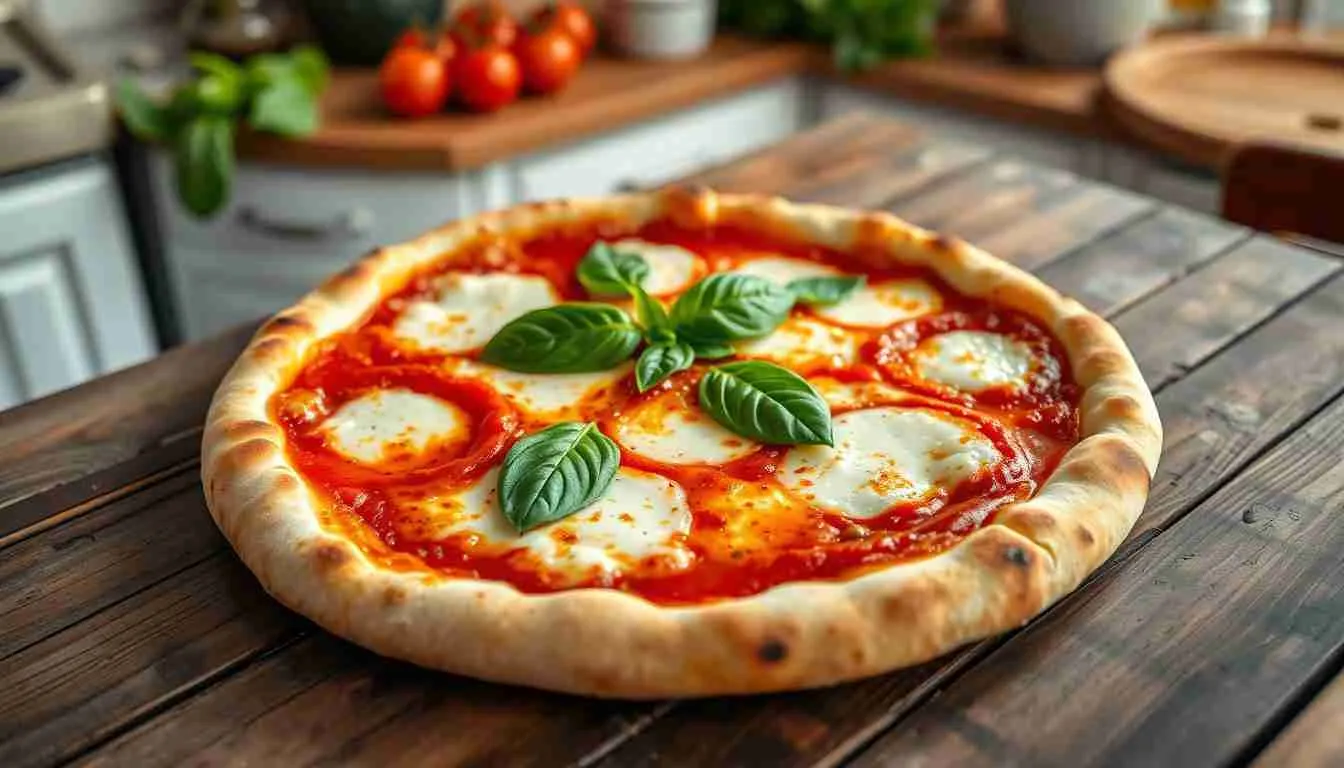
There’s something magical about a Margherita pizza—its simplicity, its vibrant colors, and the way it transports you to a sunny Italian piazza with every bite. As a home cook who’s spent countless weekends perfecting pizza in my tiny apartment oven, I’ve learned that crafting the perfect Margherita isn’t just about ingredients; it’s about passion, technique, and a little bit of patience. In this guide, I’ll share my tried-and-true recipe for the best homemade Margherita pizza, complete with tips, tricks, and a sprinkle of humor to make your pizza-making journey as delightful as the final slice.
Why Margherita Pizza Is the Ultimate Comfort Food
Margherita pizza, with its classic trio of tomatoes, mozzarella, and basil, is a love letter to simplicity. It’s named after Queen Margherita of Savoy, whose visit to Naples in 1889 inspired the dish’s iconic red, white, and green colors, mimicking the Italian flag. Making it at home lets you channel that Italian tradition while adding your personal touch.
The History Behind Margherita Pizza
Legend has it that pizzaiolo Raffaele Esposito created the Margherita pizza to honor Queen Margherita during her visit to Naples. He topped it with tomatoes, mozzarella, and basil to represent Italy’s unity. Today, it’s a global favorite, proving that simple ingredients can create extraordinary flavors.
Why Homemade Beats Takeout
Sure, you could order a pizza, but there’s nothing like the satisfaction of pulling a bubbling, golden-crusted Margherita from your oven. Homemade pizza lets you control the quality of ingredients, tweak the flavors, and impress your friends without breaking the bank.
Ingredients for the Perfect Margherita Pizza
The beauty of a Margherita lies in its minimalism, but each ingredient must shine. Here’s what you’ll need for a 12-inch pizza that serves 2–3 people.
Dough Ingredients
A great pizza starts with a great crust. This dough recipe yields a chewy, airy base with just the right crispness.
- Flour: 2 cups (250g) “00” flour or all-purpose flour
- Yeast: 1 tsp active dry yeast
- Water: ¾ cup (180ml) lukewarm water (about 100°F)
- Salt: 1 tsp
- Olive Oil: 1 tbsp extra-virgin olive oil
- Sugar: ½ tsp (to feed the yeast)
Topping Ingredients
Keep it simple but high-quality—fresh ingredients make all the difference.
- Tomatoes: ½ cup crushed San Marzano tomatoes (or high-quality canned tomatoes)
- Mozzarella: 4–5 oz fresh mozzarella (fior di latte or buffalo mozzarella), sliced or torn
- Basil: 6–8 fresh basil leaves
- Olive Oil: 1–2 tbsp extra-virgin olive oil
- Salt: A pinch of sea salt
- Optional: A sprinkle of dried oregano or red pepper flakes for extra zing
Tools You’ll Need
You don’t need a fancy pizza oven, but a few tools make the process smoother.
- Pizza Stone or Steel: For a crispy crust
- Pizza Peel: To slide your pizza in and out of the oven
- Mixing Bowl: For dough prep
- Rolling Pin: Optional, for shaping
- Parchment Paper: If you don’t have a peel
Step-by-Step Recipe for Homemade Margherita Pizza
Ready to get your hands doughy? Follow these steps for a pizza that’ll rival your favorite pizzeria.
Step 1: Make the Dough
Combine yeast, sugar, and lukewarm water in a bowl; let it sit for 5 minutes until foamy. Add flour, salt, and olive oil, then knead for 8–10 minutes until smooth. Cover and let it rise for 1–2 hours until doubled in size.
Step 2: Preheat Your Oven
Crank your oven to 500°F (260°C) or as high as it goes, with the pizza stone inside. Preheat for at least 45 minutes to ensure a blistering-hot surface for that perfect crust.
Step 3: Shape the Dough
Punch down the risen dough and divide it into two balls (for two pizzas). On a floured surface, stretch or roll each ball into a 12-inch circle. Don’t worry if it’s not perfect—rustic is charming!
Step 4: Assemble the Pizza
Spread a thin layer of crushed tomatoes over the dough, leaving a ½-inch border. Add mozzarella slices evenly, drizzle with olive oil, and sprinkle with a pinch of salt. Top with fresh basil leaves just before or after baking.
Step 5: Bake to Perfection
Slide your pizza onto the preheated stone (use parchment paper if you’re nervous about sticking). Bake for 10–12 minutes until the crust is golden and the cheese is bubbly. If you’re lucky, you’ll get those coveted charred spots.
Step 6: Slice and Serve
Let the pizza cool for a minute, then slice it up. Serve it hot, maybe with a glass of Chianti, and bask in the glory of your creation.
Pro Tips for a Pizzeria-Worthy Margherita
Here are some hard-earned secrets from my pizza-making adventures:
- Use a Scale: Weighing flour and water ensures consistency.
- Cold Fermentation: Let the dough rest in the fridge for 24–48 hours for deeper flavor.
- Don’t Overload Toppings: Less is more with a Margherita—let the ingredients shine.
- High Heat Is Key: If your oven doesn’t reach 500°F, consider a pizza steel for better heat retention.
- Fresh Basil Timing: Add basil after baking to keep it vibrant, or before for a slightly wilted, aromatic touch.
Comparison: Homemade vs. Store-Bought Pizza Dough
| Aspect | Homemade Dough | Store-Bought Dough |
|---|---|---|
| Flavor | Customizable, fresh, and complex | Often bland, with preservatives |
| Cost | ~$1–2 for two pizzas | $3–5 per dough |
| Time | 2–3 hours (including rise) | Ready to use |
| Quality Control | Full control over ingredients | Limited to brand quality |
| Fun Factor | High—kneading is therapeutic! | Low—just open the package |
Pros and Cons of Homemade Dough
Pros:
- Tailor the texture and flavor to your liking.
- Cheaper than store-bought.
- Impresses guests with your culinary skills.
Cons:
- Requires time and effort.
- Needs some practice for perfect results.
Where to Get the Best Ingredients
For an authentic Margherita, quality matters. Here’s where to source the good stuff:
- San Marzano Tomatoes: Check Italian specialty stores or online retailers like Amazon for authentic canned options.
- Fresh Mozzarella: Local delis or Whole Foods often carry fior di latte or buffalo mozzarella.
- “00” Flour: Available at gourmet grocers or online at King Arthur Baking.
- Basil: Grow your own or grab fresh leaves from farmers’ markets for maximum flavor.
People Also Ask (PAA)
Based on real Google searches, here are answers to common questions about homemade Margherita pizza.
What Makes a Margherita Pizza Authentic?
An authentic Margherita uses San Marzano tomatoes, fresh mozzarella, basil, and a thin, chewy crust. The simplicity and quality of ingredients are key, following the traditional Neapolitan style.
Can I Make Margherita Pizza Without a Pizza Stone?
Yes! Use a heavy baking sheet or cast-iron skillet. Preheat it thoroughly to mimic the stone’s heat retention for a crispy crust.
How Do I Prevent Soggy Pizza?
Use a thin layer of sauce, don’t overload toppings, and bake at high heat. A pizza stone or steel also helps absorb moisture.
What’s the Best Cheese for Margherita Pizza?
Fresh mozzarella (fior di latte or buffalo) is ideal for its creamy texture and mild flavor. Avoid pre-shredded cheese, which can make the pizza greasy.
FAQ: Your Margherita Pizza Questions Answered
Q: Can I use regular tomatoes instead of San Marzano?
A: You can, but San Marzano tomatoes have a sweeter, less acidic flavor that’s worth seeking out. If using regular canned tomatoes, drain excess liquid to avoid a soggy crust.
Q: How do I store leftover pizza dough?
A: Wrap the dough tightly in plastic wrap and refrigerate for up to 3 days or freeze for up to 3 months. Let it come to room temperature before using.
Q: Can I make Margherita pizza on a grill?
A: Absolutely! Preheat your grill to high, place the dough on a well-oiled grate, and cook for 2–3 minutes per side before adding toppings. Finish grilling until the cheese melts.
Q: What’s the best oven temperature for pizza?
A: Aim for 500°F (260°C) or higher. If your oven maxes out lower, extend the baking time slightly and use a pizza stone for better results.
Q: Can I add other toppings to a Margherita?
A: Traditionalists might cringe, but you can add extras like olives or prosciutto. Just keep it light to maintain the Margherita’s essence.
My Personal Margherita Pizza Story
The first time I made a Margherita pizza, I was a broke college student with a thrift-store baking sheet and a dream. My dough was more like a hockey puck, and I used